
Published: by Nick
If you’re a writer in 2025 looking for more creative control, better audience ownership, or simply tired of Medium’s algorithm-driven limits—you’re not alone.
Medium is still a go-to for new writers, but many creators are now exploring platforms that give them more autonomy, flexibility, and income options.
In this guide, I’ll walk you through eight top-tier Medium alternatives tailored for different writing goals—whether you’re launching a paid newsletter, publishing poetry, or building a content-powered business.
Let’s break them down.
1. LinkedIn – For Professional Storytelling
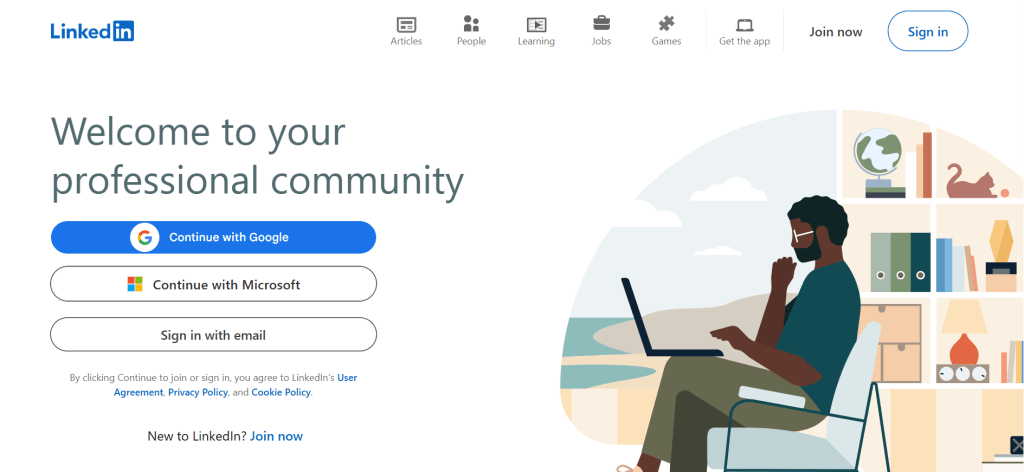
Website: linkedin.com
You may know LinkedIn as a career network, but in 2025, it’s evolved into a powerful publishing platform—especially for thought leaders, freelancers, and creators who want to attract opportunities through writing.
Why it’s great:
- With Creator Mode turned on, you can publish newsletters, build an audience, and even go viral in niche industries.
- It’s SEO-friendly, thanks to Google indexing your posts.
- Your content is attached to your real identity and professional reputation—making it ideal for trust-building.
Best for:
Writers aiming to position themselves as industry experts or promote consulting services.
Monetization:
LinkedIn doesn’t pay you directly—but your content can lead to freelance gigs, inbound leads, or even brand sponsorships once you’ve built a strong following.
Nick’s Tip: Join LinkedIn Groups in your niche and repurpose blog-style content into newsletter posts or carousels.
2. Substack – For Direct Reader Relationships
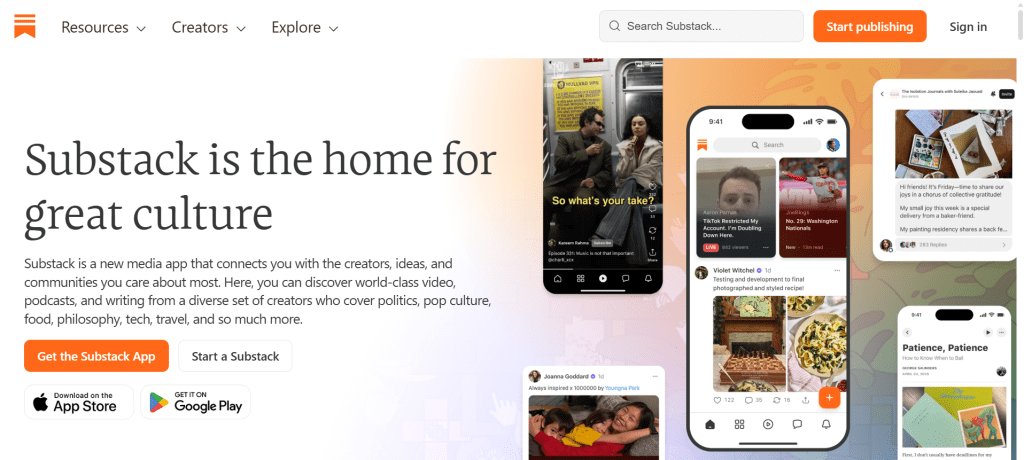
Website: substack.com
Substack isn’t just a newsletter tool—it’s a platform for building community, monetizing your ideas, and owning your audience through email.
What stands out:
- You can start free and add paid subscriptions anytime.
- Your email list is yours—portable and independent of algorithms.
- Supports multimedia: podcasts, video, and chat.
Best for:
Writers who want to grow a reader-funded business or build a personal media brand.
Monetization:
Substack takes a 10% cut of your subscription revenue. You can also host sponsored content, sell digital downloads, or offer tiers for premium content.
Nick’s Tip: Pair Substack with tools like ConvertKit or SparkLoop to boost your growth—Substack alone doesn’t offer much list-building functionality.
3. ConvertKit – For Creators Who Want Control
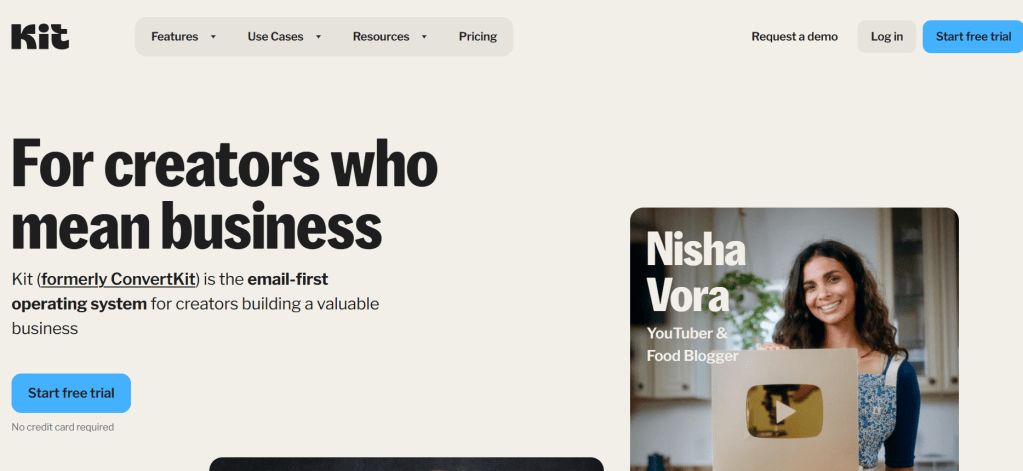
Website: convertkit.com
ConvertKit is more than an email platform—it’s a full creator engine. With landing pages, sales funnels, and segmentation, you can turn readers into paying fans without needing a full website.
Why writers use it:
- Publish a newsletter + sell digital products + manage subscribers—all in one place.
- Built-in Creator Profile acts like a mini-blog for your newsletter archive.
- Free up to 10,000 subscribers.
Best for:
Creators seeking marketing tools that extend beyond writing, including automation and product sales.
Monetization:
You can earn through paid newsletters, sponsorships, or product sales. ConvertKit takes a lower commission (3.5% + Stripe fees) than Substack.
Nick’s Tip: Ideal for authors, coaches, and solopreneurs. Use ConvertKit Commerce to sell guides, workshops, or writing templates.
4. HubPages – For Passive Income Writer

Website: hubpages.com
HubPages is a long-standing content platform where writers earn money through ad impressions. It works like Medium but is more community-driven and monetized via a revenue-sharing model.
What makes it different:
- Strong search engine visibility.
- Built-in reader base across niches from travel to parenting.
- Passive income potential from evergreen content.
Best for:
Writers who want to earn passive income by publishing informational or evergreen articles.
Monetization:
Writers earn around $3–$5 per 1,000 views depending on niche and article quality. You’ll need consistent publishing to gain traction.
Nick’s Tip: Use keyword tools like LowFruits or KeySearch to target high-traffic, low-competition topics before you write.
5. Vocal.Media – For Creators Who Want Community + Earnin
Website: vocal.media
Vocal combines storytelling and monetization. Writers are paid per read and can also earn from reader tips and challenges.
Standout features:
- Multiple genres: poetry, health, tech, music, and more.
- Built-in audience and discoverability.
- Community contests with cash prizes.
Best for:
New writers who want to grow, get feedback, and earn without needing to build a website or list.
Monetization:
Earn $3.80 per 1,000 reads on a free account, or $6 with Vocal+ (a paid upgrade). You can also receive tips from readers.
Nick’s Tip: Submit entries to Vocal Challenges. They offer exposure and bonus cash rewards.
6. DEV Community (dev.to) – For Developer Writers
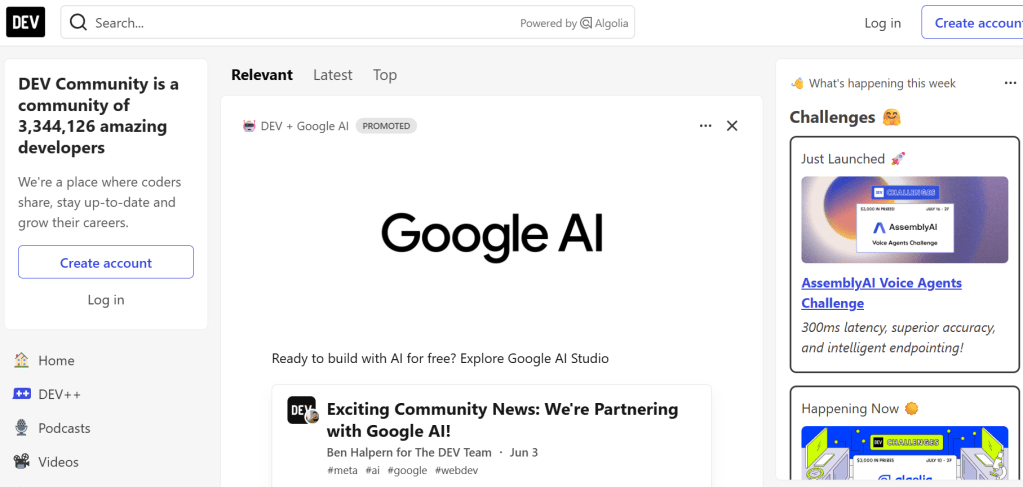
Website: dev.to
If your content skews technical—think tutorials, frameworks, or AI use cases—DEV.to is where your audience hangs out.
Why it’s valuable:
- Tags and communities tailored to programming.
- Markdown-friendly editor.
- Built-in social features like reactions and saves.
Best for:
Developers and tech writers looking to grow visibility, build personal brands, or document open-source projects.
Monetization:
DEV.to supports Web Monetization via Coil—meaning you can earn small amounts when Coil-enabled users read your posts.
Nick’s Tip: Write problem-solving posts, like “How I solved XYZ bug,” or beginner guides—they tend to perform well in dev communities.
7. WordPress – For Long-Term Growth & Full Ownership

Website: wordpress.org
If Medium is renting, WordPress is owning. You build your website from the ground up, own the content, control the design, and set the rules for monetization.
Why it wins:
- Full creative and technical control.
- Can scale into a blog, portfolio, store, or media site.
- Thousands of plugins for SEO, performance, and email.
Best for:
Writers ready to treat their content as a business asset or grow beyond just publishing.
Monetization:
Ad networks (like Google AdSense or Mediavine), affiliate links, digital product sales, membership sites, coaching—if you can dream it, you can monetize it.
Nick’s Tip: Use SiteGround or Bluehost for hosting, install Rank Math for SEO, and integrate ConvertKit for email capture. It’s a powerhouse combo.
8. Write.as – For Privacy-Focused Publishing
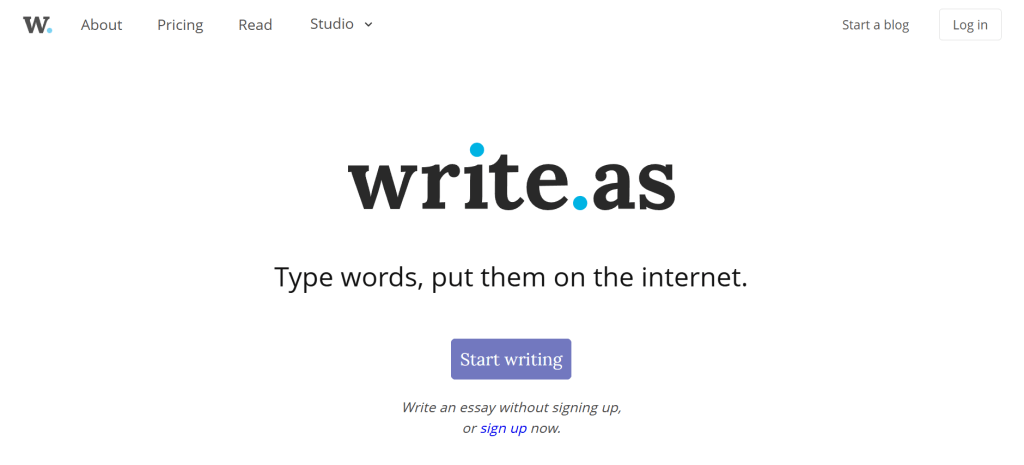
Website: write.as
Want to write anonymously or without distraction? Write.as is a minimalist platform that values your privacy. No tracking, no ads, no noise—just writing.
Why writers love it:
- Clean interface.
- Anonymous posting available.
- Markdown support.
Best for:
Journal-style writers, personal essays, or creators exploring sensitive or introspective topics.
Monetization:
Write.as doesn’t support direct monetization. But you can use it to build a portfolio, link to paid content, or transition readers to a monetized platform later.
Nick’s Tip: Great for writing anonymously or testing new ideas in public without pressure.
Final Thoughts: Which Medium Alternative is Right for You?
No platform fits every writer—but there’s something here for every goal:
| Platform | Best For | Monetization |
|---|---|---|
| Professionals & consultants | Indirect (leads, clients) | |
| Substack | Newsletter writers | Subscriptions, sponsors |
| ConvertKit | Email marketers & creators | Products, emails, sponsors |
| HubPages | Informational bloggers | Ad revenue |
| Vocal.Media | Storytellers & poets | Per-read pay, tips |
| DEV Community | Developer writers | Web monetization |
| WordPress | Business-focused content creators | Ads, affiliate, products |
| Write.as | Private or anonymous writers | External monetization |
Nick’s Final Word:
If you want full control and long-term growth—go with WordPress.
If you want simplicity with an owned audience—go Substack or ConvertKit.
If you’re testing the waters—try Vocal.Media or Write.as.
No matter where you start, your writing deserves a platform that supports your goals, not just its algorithm.
Keep writing. Keep building.
![nick [Alliedify] Avatar](https://0.gravatar.com/avatar/6955a6009ff9c6a76e2eb88c263c9426c8c386b0a7637b4d0cc051871ee8c9f3?s=40&d=identicon&r=G)
 Alliedify
Leave a comment