
Updated: AUG 19, 2025 | By Nick
Looking to branch out from Etsy and explore new marketplaces for your handmade products?
Etsy has long been the go-to platform for creative entrepreneurs selling handmade, vintage, and craft goods. But it’s no longer the only player in town especially if you’re scaling up or craving more control over your brand.
Whether you want lower fees, stronger branding, or new audiences, there are several top-notch Etsy alternatives to grow your handmade business in 2025.
Note: This article contains affiliate links. We may earn a commission if you make a purchase through them at no extra cost to you.
Why Sellers Are Moving Beyond Etsy
Etsy’s popularity is both its strength and its weakness. While it offers a built-in audience, it also comes with growing limitations:
Rising Fees
Etsy charges $0.20 per item listed even if it doesn’t sell and 6.5% transaction fees (plus fees on shipping and gift wrap). If your sales pick up, these charges can start cutting into your margins.
Saturated Marketplace
With millions of active sellers, it’s easy for your shop to get lost unless you invest in Etsy Ads or deep SEO strategy. Standing out takes real effort.
Limited Branding Control
On Etsy, customers often remember buying from Etsy, not from you. You’re restricted by the platform’s design, making it hard to fully showcase your brand identity.
Best Etsy Alternatives for Handmade Sellers in 2025
Ready to expand beyond Etsy? These platforms offer greater control, customization, and growth potential—whether you want a standalone shop or another marketplace.
1. Shopify – Best for Full Control & Growth
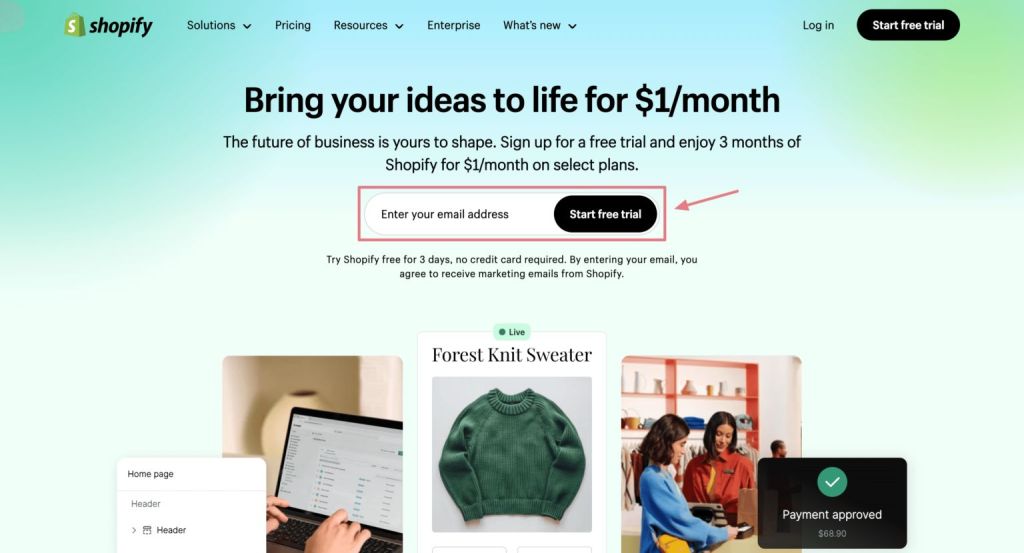
Shopify is a leading eCommerce platform that gives you the freedom to build a fully branded online store—no coding required.
If you’re ready to scale beyond Etsy and create a professional storefront, Shopify is a no-brainer.
Why Sellers Love It:
- Easy migration from Etsy via integration tools
- Drag-and-drop builder with 100+ themes
- Sell on your website, Instagram, TikTok, and more
- Built-in tools for SEO, email marketing, and abandoned cart recovery
- 24/7 support and a massive app ecosystem
Pricing: Free 3-day trial + 3 months for $1/month. Paid plans from $29/month.
2. WooCommerce – Best for WordPress Users
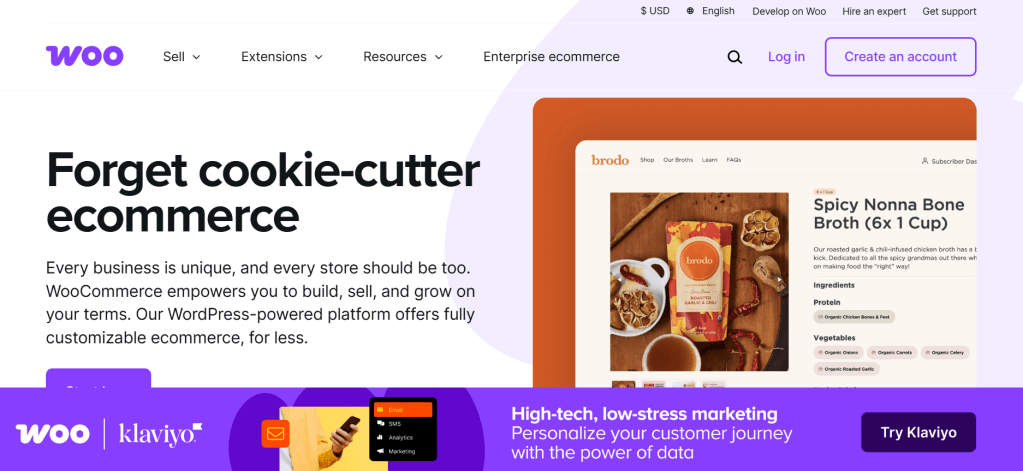
If you’re already using WordPress—or want full open-source control—WooCommerce is the most customizable solution out there.
It’s technically a plugin, but when paired with a good host and theme, you can create an entirely unique online store.
What You’ll Get:
- 100% control over store functionality and design
- Seamless blogging integration for content marketing
- Thousands of plugins for payment, shipping, and SEO
- No listing or transaction fees
- Large developer community for support and scalability
Pricing: Free plugin, but you’ll need hosting (~$10–$15/month) and a domain.
3. BigCommerce – Best for Fast-Growing Brands
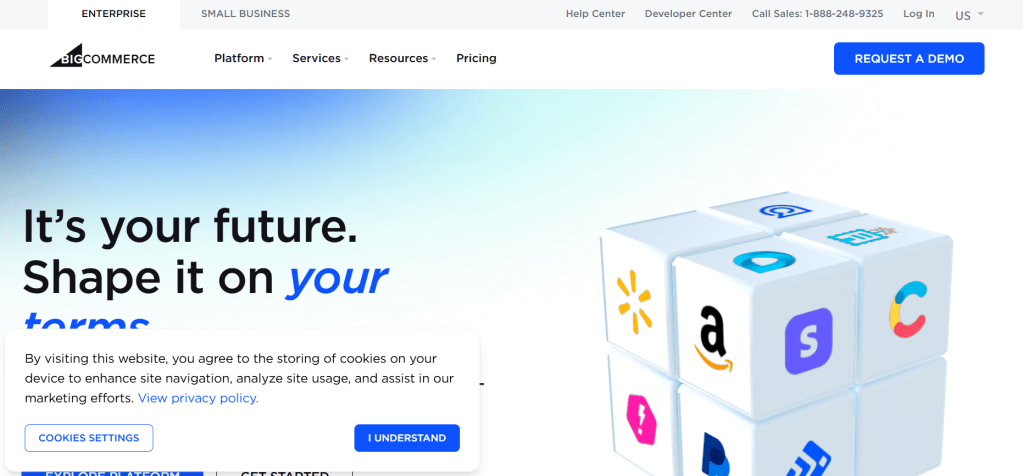
BigCommerce is ideal for scaling operations with complex needs—especially if you want to sell across multiple platforms (like eBay or Amazon) without leaving your dashboard.
It’s a robust, all-in-one eCommerce system used by enterprises and growing small businesses alike.
What Makes It Unique:
- Enterprise-grade features at startup-friendly pricing
- Multichannel selling: Amazon, Walmart, eBay, Facebook
- Strong built-in analytics and shipping management
- Advanced inventory and catalog management
- No transaction fees on any plan
Pricing: Free 15-day trial. Plans from $29.95/month.
4. Squarespace – Best for Designers & Visual Brands
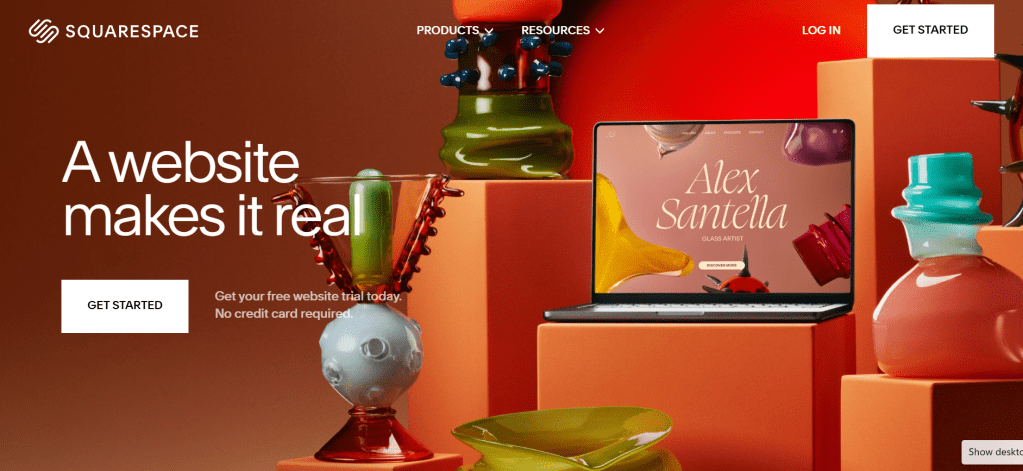
If design is central to your product or brand identity, Squarespace makes your storefront shine. It’s perfect for creators who want a beautiful site with built-in eCommerce tools.
Why It Works for Creatives:
- Award-winning templates and clean visuals
- Drag-and-drop builder with no coding required
- Built-in SEO, analytics, and marketing tools
- Inventory sync with Etsy for dual selling
- Secure payments with Stripe, PayPal, and Apple Pay
Pricing: Plans from $16/month. For eCommerce, go with the $27/month plan and up.
5. Wix – Best for All-in-One Simplicity
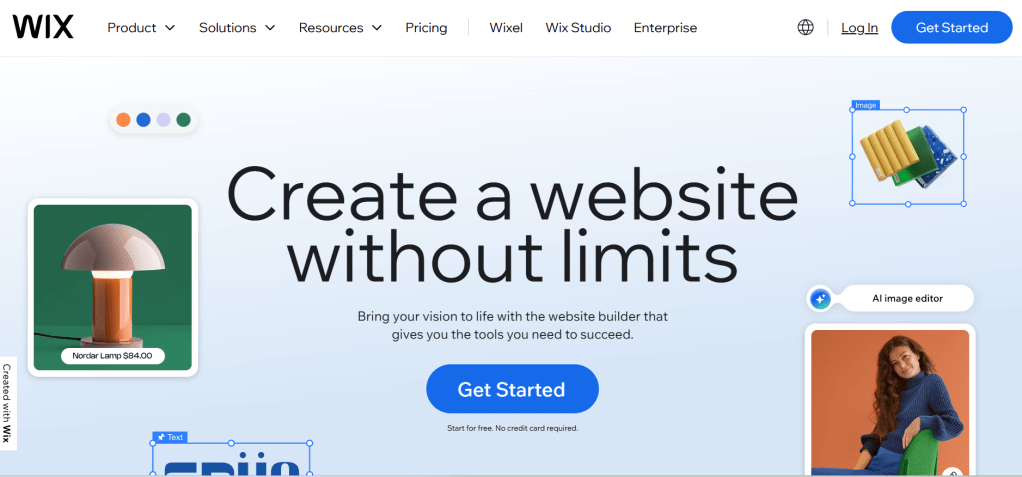
Wix blends intuitive web design with beginner-friendly eCommerce features great for sellers who want to get up and running fast.
Its built-in automation and marketing features make it easy to attract and convert customers without third-party tools.
What You’ll Love:
- Super simple drag-and-drop interface
- Dozens of eCommerce templates and product galleries
- Built-in email marketing, SEO, and analytics
- Mobile-optimized out of the box
- Secure checkout and flexible payment options
Pricing: eCommerce plans start at $29/month.
🔗 Try Wix
6. eBay – Best for Handmade & Vintage Sellers
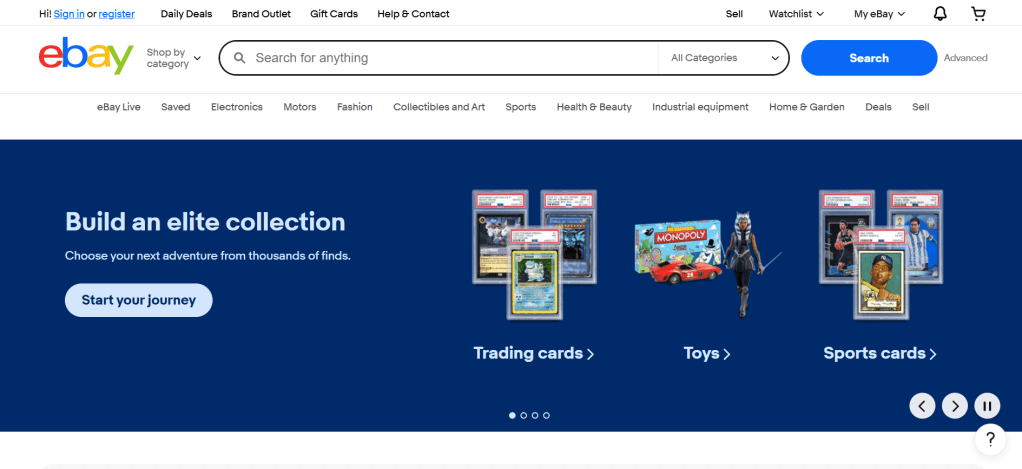
eBay is a time-tested platform with global reach—especially if you sell vintage, collectible, or limited-edition handmade items.
Unlike Etsy, it supports both auction-style and fixed-price listings, allowing creative sellers to reach over 130 million buyers worldwide.
Why It Still Works in 2025:
- Trusted marketplace with built-in traffic
- Low upfront fees for most casual sellers
- Auction and Buy Now options
- Seller tools, shipping integration, and analytics
- Great for niche, one-of-a-kind pieces
Pricing: First 250 listings/month are free. $0.35 per listing after that + 12.9% final value fee.
🔗 Try eBay
7. Amazon Handmade – Best for Scale with Support
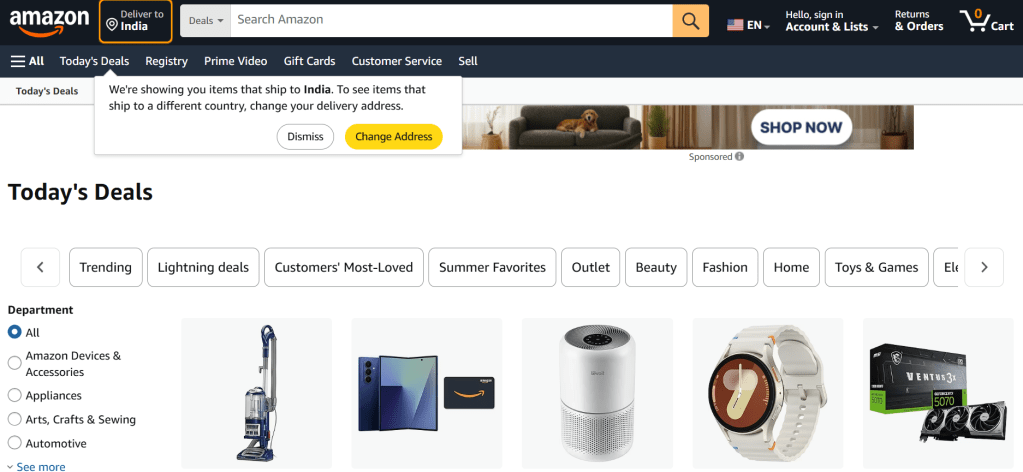
Amazon Handmade gives artisans the ability to sell handmade goods to Amazon’s vast audience—while enjoying perks like FBA (Fulfillment by Amazon).
It’s not as personalized as Etsy, but it makes up for it with volume, logistics, and brand reach.
Key Features:
- Free listing and no upfront selling costs
- Access to Amazon Prime and FBA shipping
- Handmade-only category with product vetting
- Advanced seller dashboard and tools
- Hands-on support for small brands
Pricing: 15% referral fee per sale. The $39.99/month Pro Seller fee is waived for Handmade-approved sellers.
How to Choose the Best Etsy Alternative
Every platform has its pros and cons. The right choice depends on your business size, style, and long-term goals.
Here are a few things to consider:
Growth Potential – Will this platform support you as your sales grow?
Brand Control – Can you fully showcase your brand identity and products?
️ Ease of Use – Does it match your tech skill level and time commitment?
Fees & Profitability – How will transaction fees or monthly costs affect your bottom line?
🔌 Integrations – Can it connect with your tools, email list, or accounting software?
Support & Education Is there training, support, or a community behind it?
Final Thoughts
Etsy might be where your journey began but it have to be where it ends.
Whether you want full creative control with Shopify or Squarespace, seamless integration via WooCommerce, or the massive customer base of Amazon Handmade or eBay, 2025 offers more freedom than ever to build a store that truly reflects your brand.
Take your time. Test a few platforms. The future of your handmade business doesn’t have to live in just one marketplace.
FAQs: Etsy Alternatives in 2025
Q: Why are sellers moving away from Etsy?
A: Rising fees, limited branding control, and growing competition make sellers explore other flexible, scalable platforms.
Q: Which platforms are best for handmade goods?
A: Shopify, WooCommerce, and Squarespace offer full control. eBay and Amazon Handmade are solid marketplaces with built-in audiences.
Q: Are Etsy alternatives cheaper?
A: Depends. Platforms like WooCommerce have no listing fees, while Shopify offers value in features. Always compare total costs vs. business needs.
Q: Can I sell on multiple platforms at once?
A: Absolutely. Many sellers use Etsy + Shopify or Squarespace + Amazon Handmade to diversify income and visibility.
![nick [Alliedify] Avatar](https://0.gravatar.com/avatar/6955a6009ff9c6a76e2eb88c263c9426c8c386b0a7637b4d0cc051871ee8c9f3?s=40&d=identicon&r=G)
 Alliedify
Leave a comment