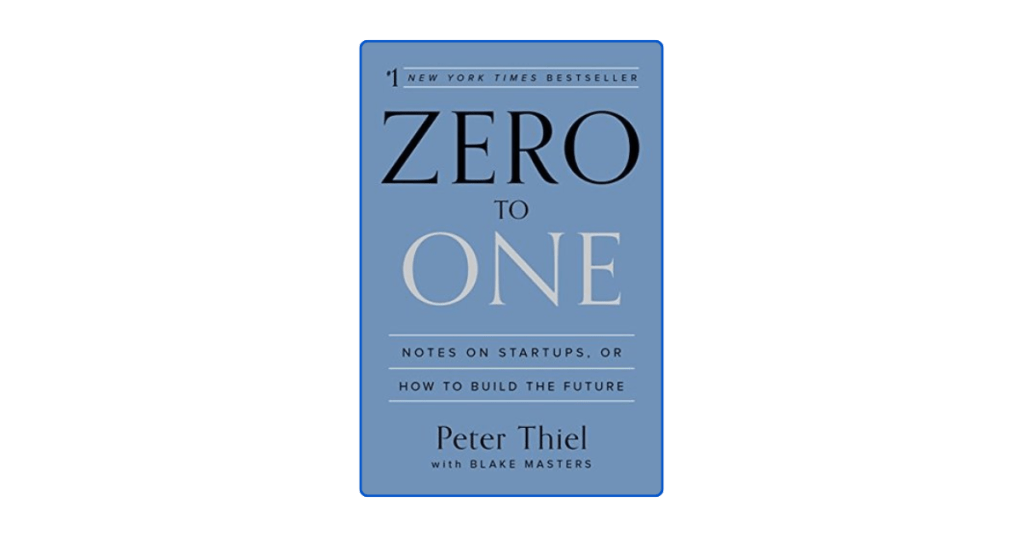
1. Going from Zero to One Means Creating Something Truly New
Going from “0 to 1” is about innovation—creating a new product, idea, or category.
Going from “1 to n” is about scaling or copying what already works (globalization, not innovation).
Monopoly businesses innovate; competitive ones replicate.
“Brilliant thinking is rare, but courage is in even shorter supply than genius.” – Peter Thiel
2. Avoid Competition — Build a Monopoly
Competition kills profits. In perfect competition, no business makes significant profits.
Aim to create a monopoly: a company that’s so good at what it does that no other firm can offer a close substitute.
Monopolies don’t mean evil corporations—they mean products so unique that people can’t live without them (like Google, PayPal, Facebook in their early days).
3. Secrets: Look Where No One Else is Looking
Great businesses are built on “secrets”—unique insights no one else sees.
Find hidden truths about technology, markets, or human behavior, and build on them.
Ask yourself: “What valuable company is nobody building?”
4. Start Small, Dominate a Niche
Begin by owning a small market. It’s easier to dominate a niche than compete in a large, crowded one.
Then scale into adjacent markets.
Example: Amazon started with books before expanding to everything.
5. The Power Law: One Big Win
Startup outcomes follow a power law, not a normal distribution—a few companies return the majority of value.
Focus your efforts and investments on the one big idea or company that can dominate.
Don’t diversify too early.
—
6. Founders Matter — So Does Culture
Strong founding teams shape the vision and culture of the company.
Ideal founding teams are small, complementary, and committed (no part-timers).
Company culture must be clear, cohesive, and mission-driven from day one.
7. Sales and Product Are Equally Important
Even the best product won’t sell itself.
Build strong distribution strategies (sales, marketing, partnerships).
Think about how you’ll reach and retain customers from the beginning.
8. Technology is Definite, Not Random
The future is not inevitable—you can shape it by building the right things.
Thiel argues for a “definite optimism”: belief that we can design and engineer progress.
Don’t just let the world happen to you—create the future.
9. Timing & Durability Over Speed
Focus on building companies that last for decades.
Don’t chase short-term trends or hype cycles.
Think in terms of sustainable growth and long-term value.
10. Think for Yourself
The most important question Thiel asks:
“What important truth do very few people agree with you on?”
This tests your ability to think independently—a trait common among world-changing entrepreneurs.
Disclosure: This post includes affiliate links that may earn me a commission at no cost to you if you make a purchase.
can explore the book here:
Blinkist: Best Book Summaries & Audio Book Guides
Final Thought:
Zero to One isn’t a step-by-step business guide. It’s a mindset shift. Peter Thiel urges you to stop copying and start inventing. Great businesses aren’t born from competition—they’re built from original thinking, bold bets, and a willingness to defy conventional wisdom.
![nick [Alliedify] Avatar](https://0.gravatar.com/avatar/6955a6009ff9c6a76e2eb88c263c9426c8c386b0a7637b4d0cc051871ee8c9f3?s=40&d=identicon&r=G)
 Alliedify
Leave a comment