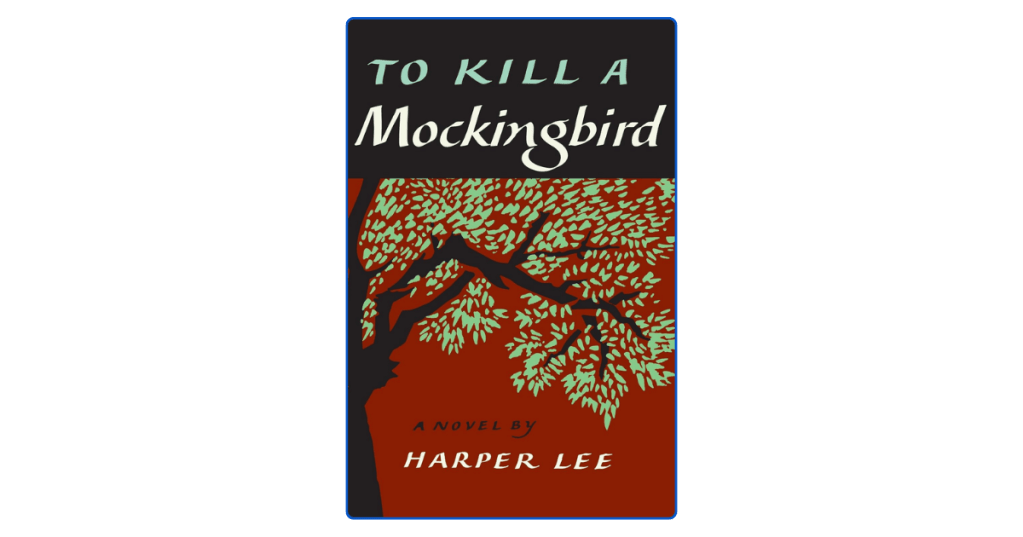
Harper Lee’s Pulitzer Prize-winning novel isn’t just a story about a small Southern town—it’s a masterclass in empathy, justice, and integrity.
Disclosure: This post includes affiliate links that may earn me a commission at no cost to you if you make a purchase.
1. Empathy Is a Choice—and a Superpower
Atticus Finch teaches his children: “You never really understand a person until you consider things from his point of view… until you climb into his skin and walk around in it.”
Key Insight: Real strength lies in the ability to see the world through someone else’s eyes. Empathy builds bridges where judgment builds walls.
can explore the book here:
Blinkist: Best Book Summaries & Audio Book Guides
2. Courage Isn’t Loud—It’s Doing Right When It’s Hard
Atticus defending Tom Robinson wasn’t popular. But it was right. True courage, Harper Lee reminds us, is moral—not physical.
Leadership Lesson: Stand up for truth even when you stand alone. That’s real bravery.
3. Childhood Is Where Character Begins
Scout and Jem’s evolving awareness of prejudice, justice, and kindness is shaped by what they see, hear, and question.
Parenting Wisdom: The values we model, not the rules we preach, shape future generations.
4. Justice Without Compassion Is Incomplete
The courtroom scenes highlight systemic injustice, but also the failure to see human dignity in those society casts aside.
Moral Takeaway: Justice must be rooted in humanity—or it becomes cruelty in disguise.
5. Racism Is Learned—So Is Unlearning
Scout’s journey from innocence to awareness reveals how bias is quietly inherited—and why it must be actively challenged.
Social Truth: The future depends on those willing to question the past.
6. Reputation Doesn’t Equal Character
Tom Robinson is innocent but condemned. Boo Radley is feared but kind. Mayella Ewell plays the victim but fuels injustice.
Modern Application: Don’t trust appearances. Pay attention to patterns, not public image.
7. Silence Can Be Complicity
Many townspeople know the truth but remain silent out of fear or convenience. The result? Injustice thrives.
Accountability Rule: Neutrality in the face of wrong is a choice—one that protects the oppressor, not the oppressed.
8. Kindness Is Quiet—but Impactful
Boo Radley, the reclusive neighbor, protects the children in the most unexpected way—without needing credit or recognition.
Human Value: The kindest people often go unnoticed. But their impact lasts the longest.
9. Children See the World Clearly—Until Adults Blur It
Scout’s natural sense of fairness is pure. It’s the world around her that complicates morality with prejudice and pride.
Cultural Reflection: Sometimes, children are the best mirror for society’s contradictions.
10. Integrity Is Doing Right When No One Applauds
Atticus Finch doesn’t seek validation. He does what’s right because it’s who he is—not because it’s easy or admired.
Personal Principle: Character is defined in private. Recognition is secondary.
To Kill a Mockingbird remains a timeless reminder that morality isn’t theoretical—it’s lived, often in the toughest moments. In a world still grappling with injustice, this novel continues to teach us the importance of listening, questioning, and standing tall—especially when the world sits in silence.
![nick [Alliedify] Avatar](https://0.gravatar.com/avatar/6955a6009ff9c6a76e2eb88c263c9426c8c386b0a7637b4d0cc051871ee8c9f3?s=40&d=identicon&r=G)
 Alliedify
Leave a comment