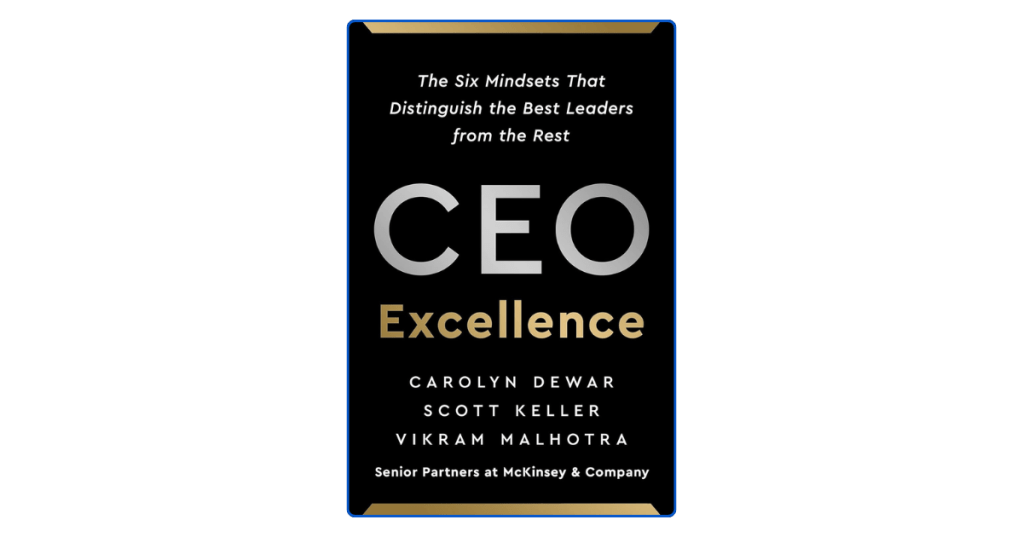
Inside the Playbook of the World’s Top CEOs
In CEO Excellence, Carolyn Dewar, Scott Keller, and Vikram Malhotra pull back the curtain on the unique mindset shifts that propel certain leaders into the top 2% of corporate performance. Backed by McKinsey’s extensive research and interviews with over 60 high-performing CEOs from some of the world’s most influential companies, the book doesn’t just analyze what these leaders do it reveals how they think.
Rather than presenting vague leadership clichés, the authors identify six distinct mindsets that enable these executives to drive growth, lead transformation, and inspire loyalty in volatile, uncertain environments. Each mindset is illustrated through real-world stories, from tech giants to consumer brands, showing that while great CEOs differ in personality and style, they share a common approach to decision-making, culture building, and long-term value creation.
CEO Excellence is both a roadmap and a reality check: a reminder that the top job is as much about shaping the future as it is about delivering quarterly results—and that mindset, not just skillset, is the ultimate differentiator.
Top 10 Lessons from CEO Excellence
1. Adopt the Enterprise Mindset
Great CEOs think beyond their own function or product they focus on the company as an interconnected system serving a greater purpose.
2. Balance the Long and the Short Term
Top leaders resist the trap of chasing immediate wins at the expense of future growth, skillfully allocating resources between today’s needs and tomorrow’s bets.
3. Obsess Over Talent, Not Just Strategy
Elite CEOs treat leadership development as a core responsibility, ensuring the right people are in the right roles for maximum impact.
4. Build a Performance Culture Through Purpose
They embed a clear mission and values into daily operations so culture becomes a driver of execution, not a wall poster.
5. Lead with Curiosity and Courage
Rather than playing it safe, they ask bold questions, challenge assumptions, and take calculated risks that redefine markets.
6. Master the Art of Stakeholder Management
They know success depends on balancing the needs of shareholders, employees, customers, and communities without losing strategic focus.
7. Communicate with Radical Clarity
Top CEOs simplify complexity, ensuring every message is understood and acted upon across all levels of the organization.
8. Prioritize Adaptability Over Perfection
In fast-changing environments, they prefer speed and iterative improvement over flawless execution.
9. Empower Teams and Let Go of Control
They create frameworks and trust structures that allow decision-making to happen closer to the action.
10. Maintain Personal Resilience
Sustaining excellence requires energy management through discipline, reflection, and boundaries to avoid burnout and poor judgment.
Disclosure: This post includes affiliate links that may earn me a commission at no cost to you if you make a purchase.
can explore the book here:
Blinkist: Best Book Summaries & Audio Book Guides
Why This Book Matters
CEO Excellence isn’t just for CEOs it’s a guide for anyone in leadership who wants to shift from good to exceptional. The insights go beyond operational tactics, offering a mental framework that can be applied in startups, family businesses, and Fortune 500 boardrooms alike.
Final Take:
“You don’t need the title of CEO to think like one. The right mindset today shapes the legacy you’ll leave tomorrow.”
![nick [Alliedify] Avatar](https://0.gravatar.com/avatar/6955a6009ff9c6a76e2eb88c263c9426c8c386b0a7637b4d0cc051871ee8c9f3?s=40&d=identicon&r=G)
 Alliedify
Leave a comment