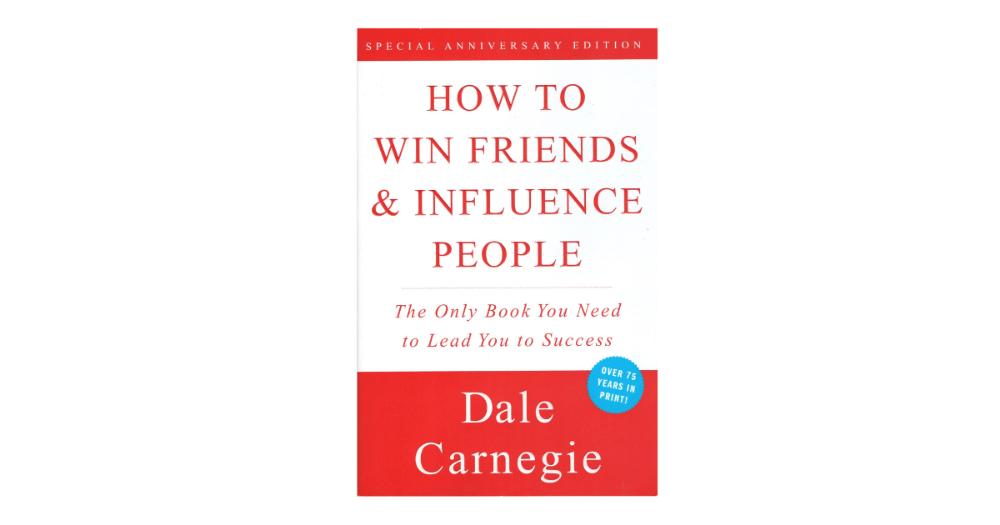
Decades after it was first published, Dale Carnegie’s timeless guide to human connection still holds relevance in every boardroom, coffee shop, and Zoom call. These aren’t tricks they’re psychological truths that build trust, inspire loyalty, and turn everyday interactions into meaningful influence.
1. People Want to Feel Important—So Make Them Feel That Way
We’re wired to crave recognition. Carnegie’s core insight: if you genuinely appreciate someone, say it. Sincere praise costs nothing but earns everything.
Modern takeaway: Authentic appreciation opens more doors than authority ever will.
2. Remembering Names Isn’t Just Polite It’s Powerful
A person’s name is the sweetest sound in their ears. When you remember it, you’re telling them they matter.
Social advantage: Want to stand out in a crowd? Be the one who remembers and respects names.
3. Talk Less. Listen More.
Carnegie understood the human ego. People don’t want lectures they want to be heard. Listen with genuine interest, and people will remember you as charismatic.
Pro tip: Influence begins when you shut up and tune in.
4. Don’t Criticize, Condemn, or Complain
Negativity might make you feel smart in the moment but it kills connection. Constructive input, framed kindly, goes further than cold critique.
Reality check: Blame pushes people away. Understanding pulls them in.
5. Let the Other Person Feel the Idea is Theirs
If you want people to buy into your vision, involve them. Ownership builds commitment.
Leadership wisdom: Collaboration isn’t weakness. It’s strategic influence.
6. Talk in Terms of Their Interests
Whether in sales, friendship, or partnerships speak their language. Learn what they care about and frame your message around it.
Persuasion tip: It’s not about you it’s about what they value.
7. Make the Other Person Feel Heard and Understood
Empathy is more influential than authority. People gravitate toward those who make them feel seen.
Connection insight: You don’t need to win every argument. Sometimes, just making someone feel understood is the win.
8. Admit When You’re Wrong Quickly and Clearly
Defensiveness kills credibility. Admitting mistakes shows strength, not weakness and earns trust.
Leadership trait: Own your flaws before they own the narrative.
9. Begin with Praise, Then Offer Suggestions
If you want someone to improve, start with what they’re doing right. Then guide them. Criticism wrapped in encouragement is more digestible and more effective.
Team culture tip: Praise is the sugar that helps feedback go down.
10. Influence Is Earned Through Integrity, Not Ego
Ultimately, Carnegie’s approach is built on honesty, kindness, and respect. Influence that lasts comes from character—not charm.
Enduring truth: If you want to lead people, start by caring about them first.
Disclosure: This post includes affiliate links that may earn me a commission at no cost to you if you make a purchase.
can explore the book here:
Blinkist: Best Book Summaries & Audio Book Guides
Final Reflection
How to Win Friends and Influence People isn’t about manipulation it’s about alignment. Aligning your behavior with human nature. Aligning your intentions with others’ needs. And aligning your actions with empathy, integrity, and mutual respect.
In a world obsessed with attention, Carnegie’s legacy reminds us: lasting influence comes from connection, not control.
![nick [Alliedify] Avatar](https://0.gravatar.com/avatar/6955a6009ff9c6a76e2eb88c263c9426c8c386b0a7637b4d0cc051871ee8c9f3?s=40&d=identicon&r=G)
 Alliedify
Leave a comment