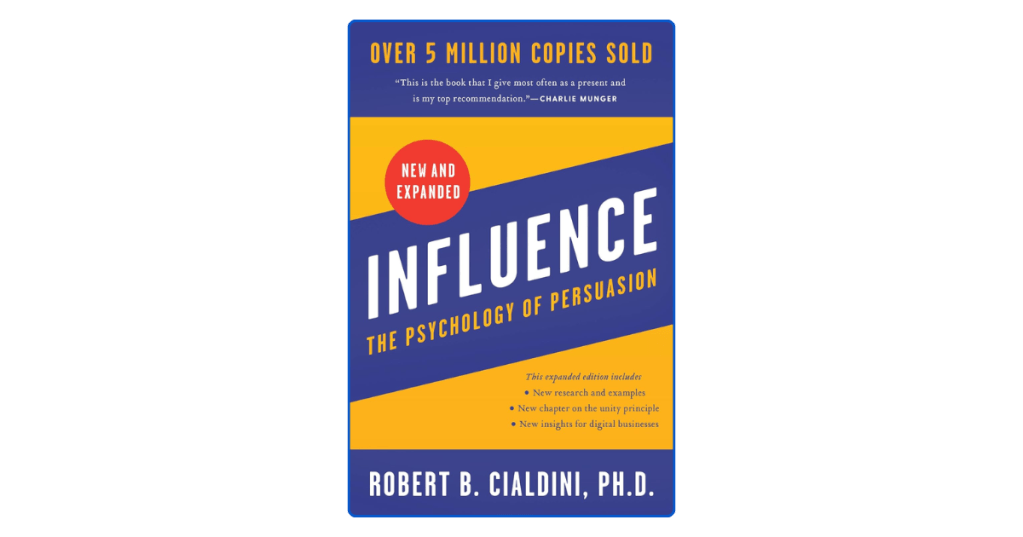
1. Reciprocity Is a Powerful Trigger
Humans are wired to return favors. If you offer value first whether it’s a gift, service, or insight—people are more likely to say “yes” when you ask for something in return. It’s not manipulation; it’s psychology in action.
2. Commitment Breeds Consistency
Once people commit to an idea (even a small one), they’re more likely to stick with it. Smart brands and leaders use micro-agreements to build momentum toward bigger conversions or decisions.
3. Social Proof Drives Decisions
We look to others when unsure especially when those others are similar to us. Testimonials, reviews, and case studies are not just add-ons; they’re psychological shortcuts that validate our choices.
4. Authority Accelerates Trust
Credentials, uniforms, or expert status signal credibility. Whether you’re selling, leading, or educating, perceived authority makes your message more persuasive. Establish it early and clearly.
5. Liking Sells More Than Logic
We’re more likely to say yes to people we like those who are friendly, attractive, or share common values. Connection builds influence. In digital strategy, this translates to personal branding and authentic storytelling.
6. Scarcity Sparks Action
Limited-time offers, exclusive deals, or rare opportunities push people to act. When something feels scarce, it feels more valuable. Urgency converts hesitation into decision.
7. We’re Predictably Irrational
People don’t make choices based on pure logic they react to cues, emotions, and biases. Understanding this gives you an edge in marketing, negotiation, and product design.
8. Small Wins Lead to Bigger Yeses
The “foot-in-the-door” technique getting someone to agree to something small first increases the likelihood they’ll agree to something larger later. It’s how persuasion compounds.
9. Contrast Framing Alters Perception
The way you present options matters. A $100 product seems cheap next to a $500 one. Use framing intentionally whether pricing a service or positioning value to guide choices.
10. Ethical Influence Builds Long-Term Power
Cialdini emphasizes using persuasion ethically. Influence isn’t about manipulation it’s about understanding human behavior and using that insight to create win-win outcomes.
Disclosure: This post includes affiliate links that may earn me a commission at no cost to you if you make a purchase.
can explore the book here:
Blinkist: Best Book Summaries & Audio Book Guides
Closing Insight:
Influence doesn’t just reveal how people are persuaded it hands you the blueprint to shape decisions at scale. Whether you’re closing a sale, growing a movement, or building a brand, mastering these principles turns psychology into strategy and strategy into results.
![nick [Alliedify] Avatar](https://0.gravatar.com/avatar/6955a6009ff9c6a76e2eb88c263c9426c8c386b0a7637b4d0cc051871ee8c9f3?s=40&d=identicon&r=G)
 Alliedify
Leave a comment