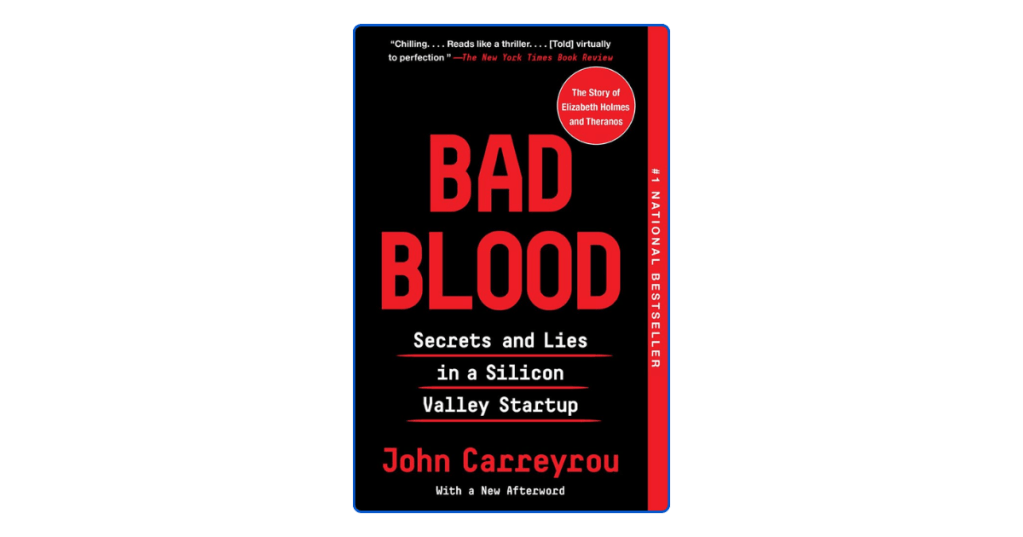
What Theranos taught us about ambition, ethics, and the cost of cutting corners
1. Hype is not a substitute for a working product
Theranos mastered the art of storytelling but failed to deliver on its core promise: accurate blood testing. In tech, marketing can open doors but it won’t save you when the product fails under scrutiny.
2. Charisma can blind even the smartest minds
Elizabeth Holmes convinced billionaires, media moguls, and political leaders to back Theranos. Her intense presence and black-turtleneck mystique became a brand. The lesson? Don’t confuse confidence with competence.
3. Due diligence is non-negotiable even for investors
Theranos raised hundreds of millions without revealing fundamental data. Many investors relied on hype and relationships rather than demanding evidence. Blind trust is expensive. Ask hard questions.
4. Culture can either expose lies or protect them
Inside Theranos, fear and secrecy reigned. Whistleblowers were silenced, critics were ousted, and truth was buried. A healthy company culture encourages transparency not paranoia.
5. Secrecy in startups is normal until it becomes a weapon
Theranos cloaked its operations in “stealth mode,” claiming to protect innovation. But secrecy was used to hide fraud, mislead partners, and control employees. Silence isn’t strategy when it conceals wrongdoing.
6. Whistleblowers are the real heroes of innovation
Former employees like Tyler Shultz and Erika Cheung risked careers and reputations to expose the truth. Progress depends not just on bold founders but on bold truth-tellers.
7. Your board is only as strong as its backbone
Theranos had a star-studded board generals, diplomats, and business icons. But few had healthcare or tech experience, and even fewer challenged the founder. A board without accountability is a liability.
8. Journalism still matters and can change the course of history
Carreyrou’s reporting at The Wall Street Journal didn’t just reveal a scam it helped bring justice. Investigative journalism remains a vital check on power, especially in high-stakes industries.
9. Ethics isn’t optional in healthcare innovation
In the tech world, “move fast and break things” might work for apps not for diagnostics. Patients’ lives were put at risk. In regulated industries, ethical responsibility must come before disruption.
10. Founders must be held to the same standards as the systems they want to disrupt
Startups love the rebel mythos challenging systems, rethinking norms. But Holmes used that narrative to dodge accountability. Vision is admirable. Delusion is dangerous.
Disclosure: This post includes affiliate links that may earn me a commission at no cost to you if you make a purchase.
can explore the book here:
Blinkist: Best Book Summaries & Audio Book Guides
Final Thought:
Bad Blood isn’t just a story about Theranos it’s a wake-up call for Silicon Valley and startup culture worldwide. Innovation without integrity doesn’t scale. The next generation of entrepreneurs must remember: truth isn’t a barrier to success it’s the foundation of it.
![nick [Alliedify] Avatar](https://0.gravatar.com/avatar/6955a6009ff9c6a76e2eb88c263c9426c8c386b0a7637b4d0cc051871ee8c9f3?s=40&d=identicon&r=G)
 Alliedify
Leave a comment