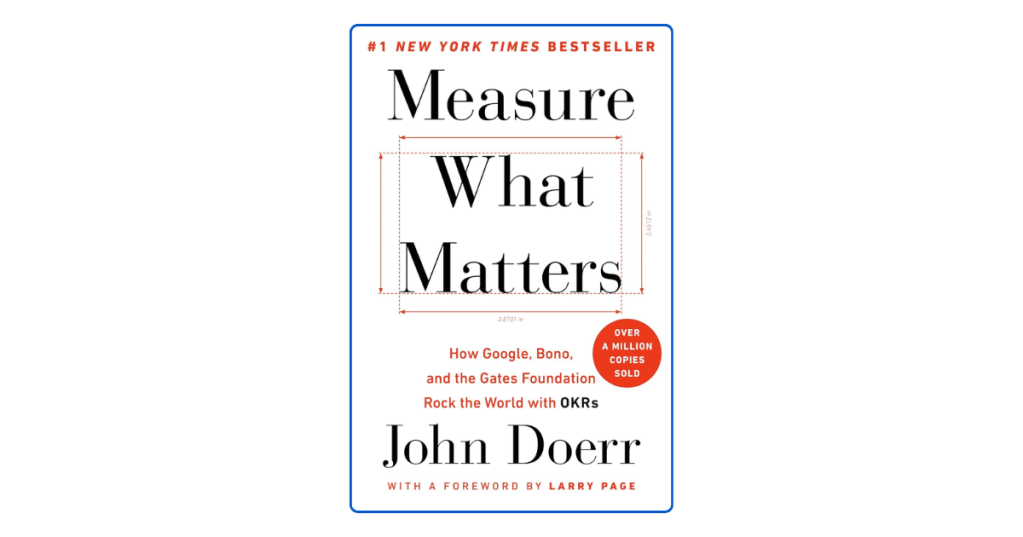
The modern blueprint for setting goals that actually drive performance.
1. OKRs Align Ambition with Execution
Objectives and Key Results (OKRs) aren’t just a goal-setting tool they’re a clarity engine. Doerr shows how companies like Google, Intel, and startups use OKRs to bridge the gap between big ideas and everyday work. Set bold goals, back them with measurable outcomes.
2. Objectives Must Inspire
The objective isn’t a KPI or a target it’s your north star. It should be significant, concrete, and action-oriented. When teams rally around a powerful objective, it fuels alignment, momentum, and purpose.
3. Key Results Keep You Accountable
Each objective should be backed by 3–5 measurable Key Results. These are not vague aspirations they’re quantifiable indicators of progress. No gray area. You either hit them or you don’t. That’s how you stay honest about performance.
4. Transparency Builds Trust
OKRs should be visible across teams and departments. Doerr emphasizes radical transparency when everyone can see what others are working toward, it breaks silos, prevents duplication, and builds a culture of shared accountability.
5. Stretch Goals Drive Breakthroughs
You grow by reaching slightly beyond what’s comfortable. The best OKRs are ambitious but not unrealistic designed to push innovation, not punish shortfalls. Even 70% achievement can signal progress when the bar is set right.
6. Cadence and Discipline Matter
Doerr underscores the importance of regular OKR check-ins not just setting goals and forgetting them. Quarterly reviews, scorecards, and 1:1s help teams stay focused, adjust course, and stay aligned with evolving business needs.
7. OKRs Aren’t Bonuses they’re Strategy
OKRs are about driving clarity, not compensation. Tying them to performance reviews or bonuses can distort focus. Instead, Doerr recommends treating OKRs as a learning and alignment tool, separate from individual incentives.
8. Lead with Culture, Not Just Metrics
Doerr shares how leaders like Bill Campbell at Google used OKRs not just for business results, but to shape team culture and values. When used right, OKRs create alignment around both performance and principles.
9. Focus Beats Firefighting
Companies often spread themselves too thin. OKRs help teams say no to distractions and focus energy where it matters most. By limiting objectives, you increase execution power and reduce burnout.
10. What Gets Measured Gets Improved
Doerr’s core thesis: measurement fuels momentum. When people know what matters, see how it’s tracked, and believe in the outcome it leads to better decisions, sharper focus, and long-term success.
Disclosure: This post includes affiliate links that may earn me a commission at no cost to you if you make a purchase.
can explore the book here:
Blinkist: Best Book Summaries & Audio Book Guides
Final Takeaway:
Measure What Matters is more than a management guide it’s a modern operating system for high-growth teams. Whether you’re a startup founder or Fortune 500 exec, OKRs help you align people, priorities, and progress
![nick [Alliedify] Avatar](https://0.gravatar.com/avatar/6955a6009ff9c6a76e2eb88c263c9426c8c386b0a7637b4d0cc051871ee8c9f3?s=40&d=identicon&r=G)
 Alliedify
Leave a comment