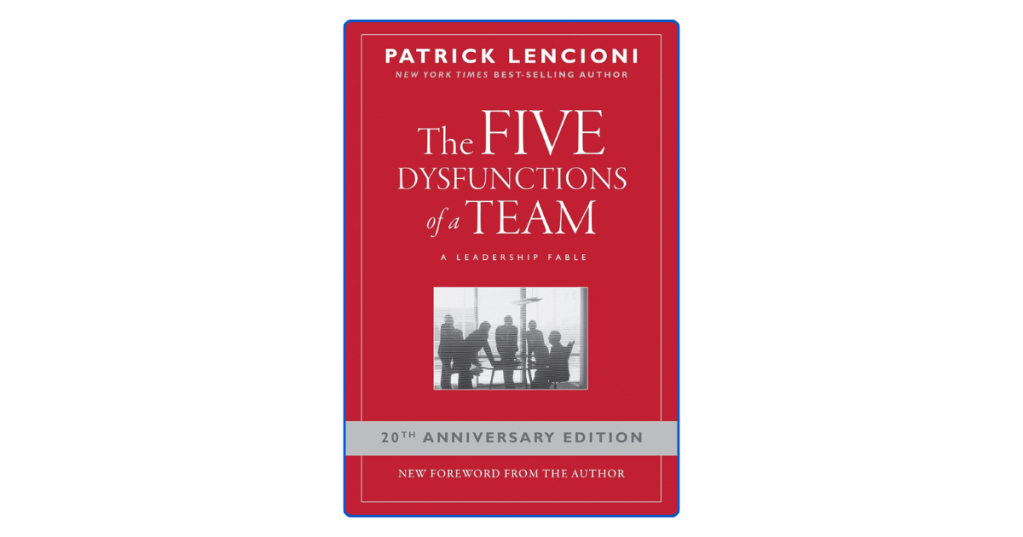
1. Absence of Trust Is the Root Problem
When team members don’t feel safe to be vulnerable admitting mistakes, asking for help, or expressing doubt true collaboration dies. Trust isn’t a buzzword; it’s the foundation of high-performance teams.
2. Fear of Conflict Kills Progress
Teams that avoid honest debate in favor of fake harmony fail to challenge weak ideas. Healthy conflict drives innovation. Silence doesn’t mean alignment it often means disengagement or resentment.
3. Lack of Commitment Creates Paralysis
Without open dialogue and clarity, teams hesitate. When people aren’t bought into a decision even if they disagree with it they won’t follow through. Clarity and buy-in are more valuable than consensus.
4. Avoidance of Accountability Weakens Execution
When teams skip peer-to-peer accountability, standards slip. Great teams hold each other to high expectations not out of ego, but out of respect. Accountability is the bridge between intention and impact.
5. Inattention to Results Breeds Mediocrity
When personal agendas, silos, or egos matter more than collective success, the whole team suffers. The best teams obsess over results not recognition, not politics, not status. Scoreboards drive alignment.
6. Vulnerability Builds Strength, Not Weakness
When leaders model vulnerability by admitting mistakes or showing uncertainty they give others permission to be real. That openness builds psychological safety, which unlocks creativity and resilience.
7. Conflict Is a Sign of Commitment
If your team never argues, you’re not challenging each other enough. Healthy teams fight constructively, without making it personal. Avoiding conflict doesn’t protect culture it erodes it.
8. Clarity Beats Consensus
You don’t need everyone to agree. You need everyone to be heard and then align behind a clear decision. Leaders must drive decisiveness and provide direction, even in uncertainty.
9. Great Teams Self-Regulate
It’s not just the manager’s job to enforce standards. In elite teams, everyone feels responsible for the group’s performance. Peer accountability is more powerful and more sustainable than top-down control.
10. Culture Must Be Reinforced Daily
Trust, accountability, and focus aren’t one-off workshops they’re built through daily behavior. Great leaders reinforce culture through actions, not slogans. Every meeting is a chance to either build or erode it.
Disclosure: This post includes affiliate links that may earn me a commission at no cost to you if you make a purchase.
can explore the book here:
Buy book on Amazon
Blinkist: Best Book Summaries & Audio Book Guides
Final Insight:
The Five Dysfunctions is more than a diagnosis it’s a blueprint for transformation. If you’re leading a startup, managing a team, or scaling a culture, these lessons aren’t optional they’re survival strategies. Great teams aren’t born. They’re built, battle-tested, and aligned around something bigger than themselves.
![nick [Alliedify] Avatar](https://0.gravatar.com/avatar/6955a6009ff9c6a76e2eb88c263c9426c8c386b0a7637b4d0cc051871ee8c9f3?s=40&d=identicon&r=G)
 Alliedify
Leave a comment