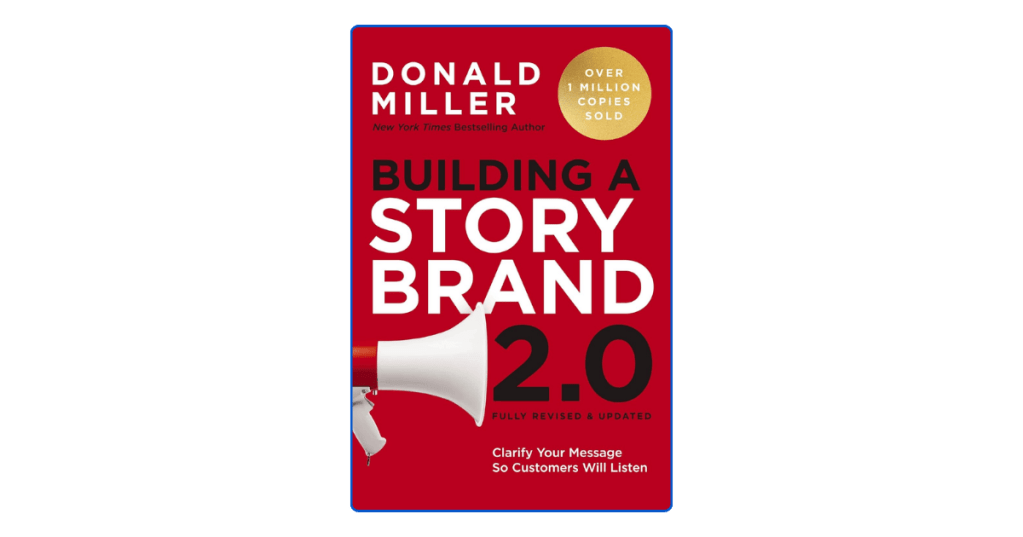
In a noisy digital world, even great businesses get ignored. That’s the painful truth Donald Miller tackles in Building a StoryBrand: Clarify Your Message So Customers Will Listen. This bestselling marketing framework doesn’t just teach you how to talk about your product it teaches you how to position your customer as the hero of the story, and your brand as the guide.
Drawing inspiration from Hollywood storytelling structure and timeless psychological triggers, Miller lays out a 7-part framework that has helped thousands of brands from solo creators to Fortune 500 companies cut through the noise, increase conversions, and create marketing that actually works.
Whether you’re writing a website headline, pitching an investor, or launching a product, Building a StoryBrand shows you how to craft messaging that sells by making it about what your audience really wants.
Top 10 Lessons from Building a StoryBrand
1. Your Customer Is the Hero, Not Your Brand
Most businesses make the mistake of making themselves the center of the story. Miller flips that script: customers are the hero your job is to be their trusted guide. Position your brand as Yoda, not Luke Skywalker.
2. People Buy Solutions to Their Problems
Brands often sell features. Customers buy outcomes. Your messaging must identify a clear problem external, internal, and philosophical and show how your product solves it.
3. Clarity Beats Cleverness Every Time
If you confuse, you lose. Clever taglines and vague branding may sound creative, but they rarely convert. Clear, concise, benefit-driven messaging is what grabs attention and drives action.
4. Use the 7-Part StoryBrand Framework
The StoryBrand framework includes:
- A Character (the customer)
- With a Problem
- Who Meets a Guide (your brand)
- Who Gives Them a Plan
- And Calls Them to Action
- That Helps Them Avoid Failure
- And Ends in Success
This simple formula drives powerful storytelling across websites, email campaigns, and sales funnels.
5. The Problem Creates the Story’s Tension
Without a problem, there’s no motivation to buy. Define your customer’s pain points clearly. Then position your product as the bridge between their current struggle and future success.
6. Be the Guide with Empathy and Authority
Customers follow brands they trust. As a guide, your job is to show empathy (“We understand how you feel”) and authority (“We’ve helped thousands of people just like you”).
7. Give Customers a Simple Plan
Don’t overwhelm people with details. Instead, offer a simple, step-by-step plan. This reduces friction and increases their confidence in taking the next step with your brand.
8. Include a Clear Call to Action
Strong brands are direct. Your CTA should be obvious, repeated often, and action-focused (e.g., “Buy Now,” “Schedule a Call”). Passive buyers need clarity before they commit.
9. Paint a Picture of Success
Show your customers what life could look like after using your product. People don’t just want solutions they want transformation. Highlight outcomes, testimonials, and emotional benefits.
Disclosure: This post includes affiliate links that may earn me a commission at no cost to you if you make a purchase.
can explore the book here:
Blinkist: Best Book Summaries & Audio Book Guides
10. Eliminate Marketing Noise
Too many messages = no message. Refine your homepage, sales page, or pitch deck using only what matters: who you help, how you help, and what they should do next. Everything else is noise.
![nick [Alliedify] Avatar](https://0.gravatar.com/avatar/6955a6009ff9c6a76e2eb88c263c9426c8c386b0a7637b4d0cc051871ee8c9f3?s=40&d=identicon&r=G)
 Alliedify
Leave a comment