By Michael Lewis
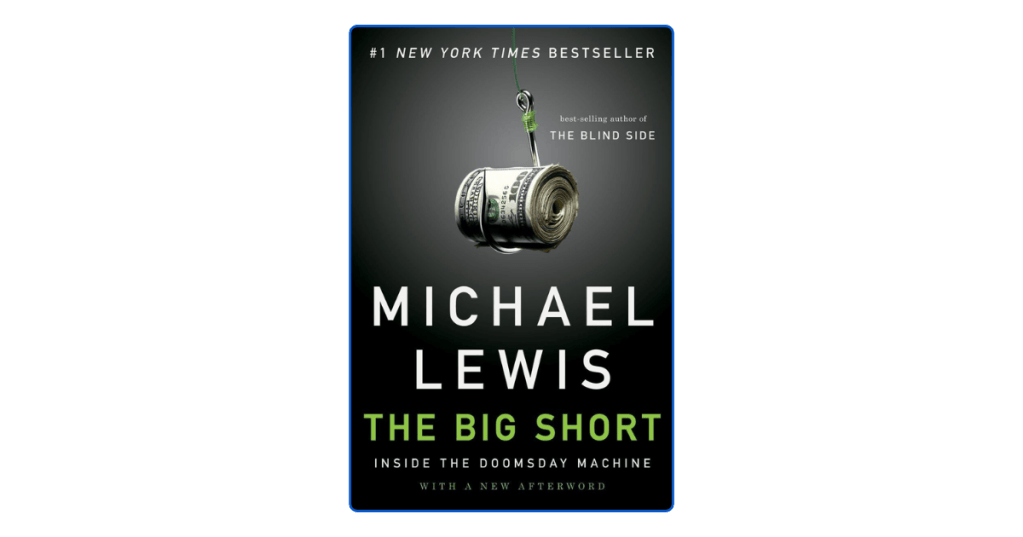
The Big Short isn’t just a story about Wall Street it’s a warning shot fired from the frontlines of financial insanity.
In this gripping exposé, bestselling author Michael Lewis pulls back the curtain on the 2008 financial crisis and the few outsiders who saw it coming. While banks, rating agencies, and investors blindly pumped trillions into subprime mortgages, a handful of rogue thinkers traders, hedge fund managers, and data nerds dug deeper and bet against the entire system.
What they uncovered was a house of cards built on fraud, greed, and willful ignorance.
This book is more than a chronicle of a collapse it’s a lesson in risk, human behavior, and how the smartest people in the room often refuse to see what’s right in front of them. The Big Short is essential reading for anyone trying to understand how markets really work and how fragile they can be when trust, transparency, and truth go missing.
Top 10 Key Lessons from The Big Short
1. Always Question the Consensus
The biggest mistake made by most investors was believing “everyone can’t be wrong.” But they were. Truth doesn’t lie in popularity it lies in data, logic, and independent thinking.
2. Do the Work No One Else Will
The heroes of The Big Short weren’t just smart they were obsessive. They read 1,000-page mortgage bond prospectuses, ran the numbers, and called the brokers. In finance, the edge often lies in effort.
3. Complexity Can Be a Mask for Corruption
Wall Street made financial instruments so complex (CDOs, synthetic swaps, tranches) that few understood them. This opacity enabled fraud to go unchecked and risk to explode unnoticed.
4. Incentives Drive Everything
From loan officers to ratings agencies to investment bankers, everyone was rewarded for short-term gains not long-term outcomes. Misaligned incentives were at the core of the crisis.
5. The Ratings System Was Broken
Triple-A ratings were handed out like candy. The agencies that were supposed to protect investors were paid by the very firms issuing the securities creating a dangerous conflict of interest.
6. Markets Aren’t Always Rational They’re Human
The crisis exposed how fear, greed, herd mentality, and denial can distort markets. Behavioral psychology is just as important as economics in understanding finance.
7. Betting Against the System Takes Guts (and Patience)
The investors who shorted the housing market faced ridicule, delays, and mounting pressure. But their belief in data not opinion eventually paid off. Real conviction means holding on when everyone else thinks you’re wrong.
8. Too Big to Fail is Too Dangerous to Exist
The banks were so interconnected and over-leveraged that their failure would collapse the global economy. When an institution is too big to fail, it becomes too big to trust.
9. Regulations Fail When Watchdogs Are Asleep
Lack of oversight, loopholes, and political lobbying allowed the financial system to drift into reckless territory. Regulation is only effective when enforced without fear or favor.
Disclosure: This post includes affiliate links that may earn me a commission at no cost to you if you make a purchase.
can explore the book here:
Blinkist: Best Book Summaries & Audio Book Guides
10. Every Boom Hides a Bubble Until It Bursts
Behind every bullish frenzy is a bubble waiting to pop. Whether it’s real estate, crypto, or stocks if everyone is chasing easy money, it’s time to get cautious.
![nick [Alliedify] Avatar](https://0.gravatar.com/avatar/6955a6009ff9c6a76e2eb88c263c9426c8c386b0a7637b4d0cc051871ee8c9f3?s=40&d=identicon&r=G)
 Alliedify
Leave a comment