Affiliate Disclosure: This post may contain affiliate links. If you purchase through them, I may earn a small commission at no extra cost to you. I only recommend tools, books, or platforms I’ve vetted personally.
Why The 48 Laws of Power is Still a Blueprint for Strategic Influence
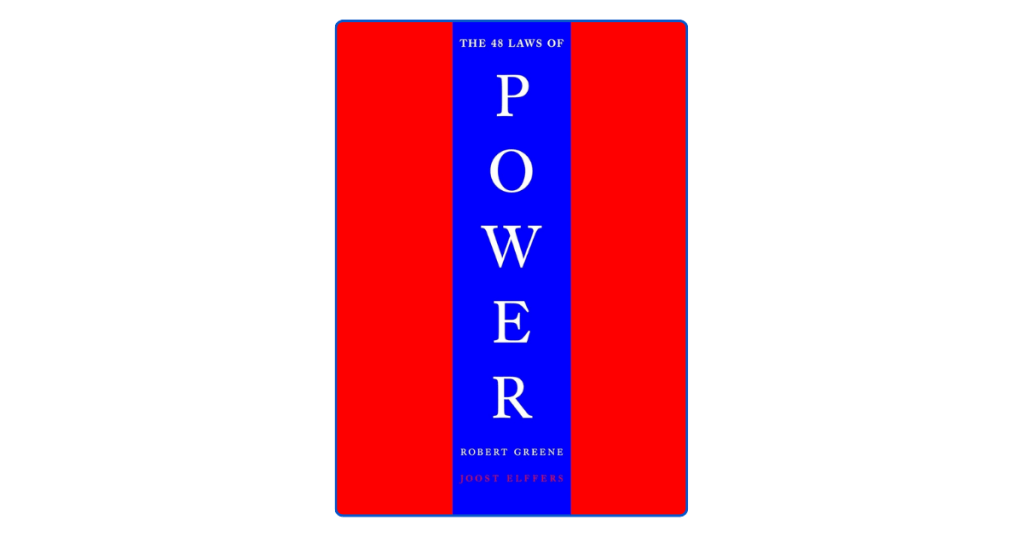
Whether you’re navigating leadership, entrepreneurship, or high-stakes negotiation, Robert Greene’s The 48 Laws of Power is not a manifesto for manipulation—it’s a field manual for understanding how power actually works. These lessons decode the invisible rules of influence, positioning, and control that most people never articulate—but always respond to.
Here are 21 essential lessons you can extract and apply, reinterpreted for today’s professionals, entrepreneurs, and creators.
1. Never Outshine the Master
Draw attention to your competence without threatening those above you. Make others feel secure in their status if you want to advance.
2. Never Put Too Much Trust in Friends, Learn How to Use Enemies
Friends can become complacent or emotional. Enemies, when converted, are often more loyal because they have more to prove.
3. Conceal Your Intentions
Directness can make you predictable. Keep people off-balance by revealing just enough to stir interest never the full picture.
4. Always Say Less Than Necessary
Power is amplified through restraint. The less you say, the more people wonder what you know and that curiosity grants you influence.
5. So Much Depends on Reputation—Guard It With Your Life
Reputation is your silent asset. It precedes you, opens doors, or quietly shuts them. Build it deliberately and protect it fiercely.
6. Court Attention at All Costs
Visibility leads to relevance. In crowded markets and noisy rooms, those who remain unseen are quickly forgotten.
7. Get Others to Do the Work, but Always Take the Credit
Leverage the talents of others while positioning yourself as the originator. Ownership of the outcome is more valuable than effort.
8. Make Other People Come to You
Set the terms. When you force others to react to your moves, you shift the power dynamic in your favor.
9. Win Through Actions, Never Through Argument
Persuasion through results is more durable than verbal dominance. Let your performance end debates without a single word.
10. Infection: Avoid the Unhappy and Unlucky
Energy is contagious. Surround yourself with those who elevate outcomes, not those who rationalize failure.
11. Learn to Keep People Dependent on You
If you offer something they cannot get elsewhere, you become indispensable. That’s power in its purest form.
12. Use Selective Honesty to Disarm Your Victim
One well-timed truth can mask a thousand moves. Honesty, when used strategically, builds false comfort and deeper trust.
13. When Asking for Help, Appeal to Self-Interest
People act faster when their gain is clear. Frame your request in a way that serves their priorities, not just your needs.
14. Pose as a Friend, Work as a Spy
Stay observant. Information is leverage, and those who gather it quietly move faster and more effectively.
15. Crush Your Enemy Totally
Never leave space for retaliation. If you neutralize a threat, do so with clarity and completeness.
16. Use Absence to Increase Respect and Honor
Scarcity enhances value. Strategic absence creates anticipation and increases your perceived worth.
17. Keep Others in Suspended Terror: Cultivate an Air of Unpredictability
Unpredictability breeds respect. When people can’t guess your next move, they hesitate and hesitation gives you time and space to lead.
18. Do Not Build Fortresses to Protect Yourself Isolation is Dangerous
Power flows through connection. Over-protection weakens your awareness and influence.
19. Know Who You’re Dealing With Do Not Offend the Wrong Person
Assess personalities before acting. What’s harmless to one may provoke a war in another. Avoid blind risks.
20. Do Not Commit to Anyone
Maintain neutrality where needed. Loyalty, if distributed too early, can box you into alliances that no longer serve you.
21. Play a Sucker to Catch a Sucker Seem Dumber Than Your Mark
Appearing less informed than you are disarms opponents. Underestimation can be a weapon when used with discipline.
can explore the book here:
Blinkist: Best Book Summaries & Audio Book Guides
Conclusion: Power Is Subtle, Not Loud
Greene’s work isn’t about domination—it’s about awareness. These laws help you see the terrain of power clearly, move strategically, and avoid naïveté in environments where influence determines outcomes. Whether you’re a founder, negotiator, or creative lead, these laws offer leverage others ignore.
![nick [Alliedify] Avatar](https://0.gravatar.com/avatar/6955a6009ff9c6a76e2eb88c263c9426c8c386b0a7637b4d0cc051871ee8c9f3?s=40&d=identicon&r=G)
 Alliedify
Leave a comment