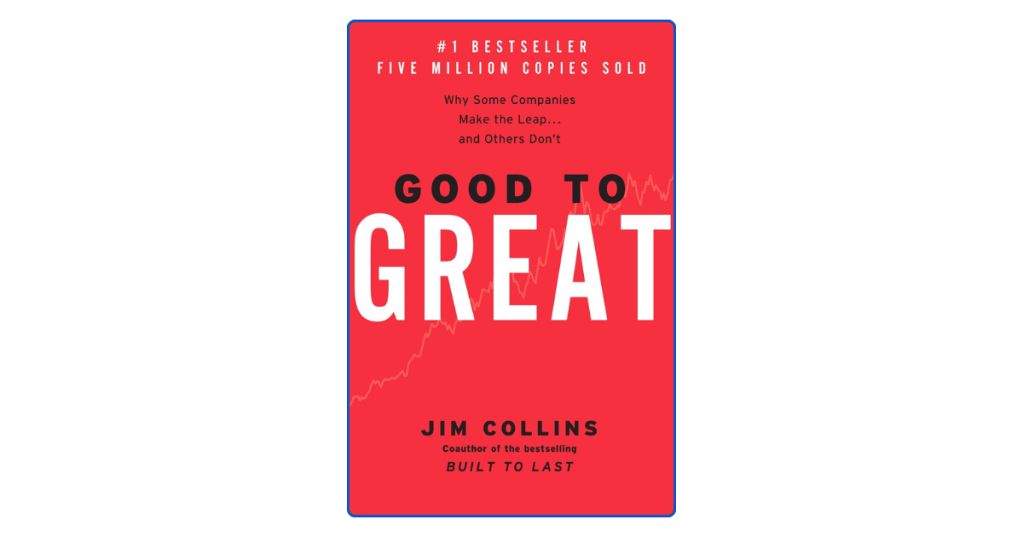
1. Greatness Is a Choice, Not a Luck Factor
Companies don’t stumble into greatness they architect it. The transition from good to great happens through disciplined decisions, not grand moments. It’s about consistent execution, not breakthrough innovation.
2. Level 5 Leadership Drives Long-Term Growth
At the heart of every great company is a humble yet fiercely determined leader. Level 5 leaders blend personal humility with professional will, focusing more on the mission than personal ego or charisma.
3. First Who, Then What
Before setting a vision or building a strategy, get the right people on the bus—and the wrong ones off. Talent and alignment matter more than short-term direction. Culture is built by people, not plans.
4. Confront Brutal Facts, Yet Never Lose Faith
Great companies face reality head-on. They don’t sugarcoat losses or deny market shifts. But they also maintain unwavering belief in their ability to prevail. This “Stockdale Paradox” builds resilience.
5. The Hedgehog Concept: Simplicity with Precision
The most successful companies identify a single core concept at the intersection of: what they’re deeply passionate about, what they can be best in the world at, and what drives their economic engine. Clarity here drives momentum.
6. Technology Is an Accelerator, Not a Cause
Great companies use technology to amplify their strengths not as the foundation for greatness. The right tech helps you scale what already works. It doesn’t replace disciplined thinking or strategy.
7. Culture of Discipline Outperforms Bureaucracy
Discipline isn’t about rigid rules it’s about aligned people taking consistent action. When you have a culture of self-motivated individuals working within a clear framework, bureaucracy becomes unnecessary.
8. The Flywheel Effect Momentum Over Hype
There’s no singular breakthrough moment. It’s the compounding effect of small wins that builds unstoppable momentum. Great companies push a heavy flywheel steadily until it starts to spin on its own.
9. Avoid the Doom Loop
Bad companies react impulsively to poor performance: new leadership, quick fixes, inconsistent strategies. This reactive cycle the “Doom Loop” kills consistency. Greatness comes from long-term focus and internal alignment.
Disclosure: This post includes affiliate links that may earn me a commission at no cost to you if you make a purchase.
can explore the book here:
Buy book on Amazon
Blinkist: Best Book Summaries & Audio Book Guides
10. Greatness Is a Journey, Not a Destination
There’s no finish line. What made you great today may not keep you great tomorrow. Continuous improvement, curiosity, and humility are essential to sustaining greatness across decades.
![nick [Alliedify] Avatar](https://0.gravatar.com/avatar/6955a6009ff9c6a76e2eb88c263c9426c8c386b0a7637b4d0cc051871ee8c9f3?s=40&d=identicon&r=G)
 Alliedify
Leave a comment