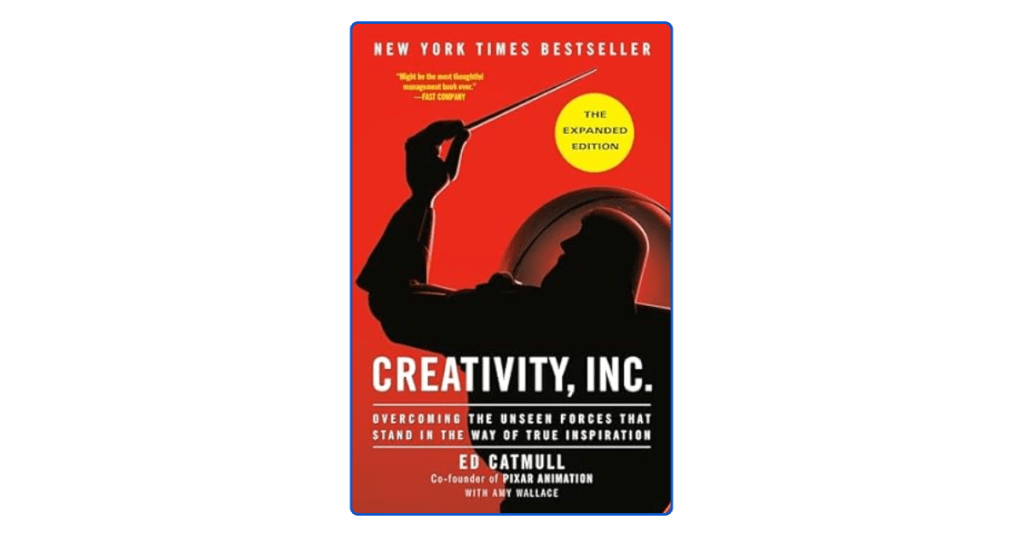
Real-world insights from inside Pixar’s creative machine
1. Protect the creative process, not just the outcome
Creative work is messy and unpredictable. Don’t optimize for short-term efficiency or guaranteed results. Instead, create an environment where bold ideas can be explored without fear of failure.
2. Candor fuels innovation
Pixar’s legendary “Braintrust” meetings thrive on honesty. Honest, direct feedback delivered with care helps teams identify blind spots and refine ideas without killing their spirit. Candor isn’t optional. It’s essential.
3. Ideas come from people so invest in people
The process doesn’t generate magic. People do. Focus on hiring, empowering, and growing talented individuals. A mediocre idea from a great team will outperform a great idea from a dysfunctional one.
4. Don’t confuse the process with the product
A perfect workflow doesn’t guarantee creative excellence. Processes are tools, not goals. Pixar’s culture prioritizes flexibility, allowing teams to deviate from the plan if it leads to better storytelling.
5. Failure isn’t the enemy fear of failure is
Every Pixar movie starts off “ugly.” The key is iteration. Give teams permission to fail early and often. Treat each failure as a data point on the road to excellence not a verdict.
6. Remove power from the room to get real feedback
Leaders must learn when to step back. When hierarchy silences feedback, creativity suffers. At Pixar, leadership structures are intentionally flattened during creative discussions to allow truth to surface.
7. Protect the team from the chaos of growth
As companies scale, bureaucracy creeps in. Catmull warns leaders to shield creatives from unnecessary policies and distractions. Build the structure to support creativity not smother it.
8. “Unseen forces” are real and dangerous
Culture drifts when left unchecked. From ego to politics to groupthink, invisible dynamics can erode trust and innovation. Make time to reflect, listen, and actively debug your company culture.
9. Be wrong, but don’t stay wrong
Creative leaders must develop strong opinions that are loosely held. Encourage experimentation, but more importantly, be willing to course-correct quickly when the data proves you wrong.
Disclosure: This post includes affiliate links that may earn me a commission at no cost to you if you make a purchase.
can explore the book here:
Blinkist: Best Book Summaries & Audio Book Guides
10. Storytelling is leadership
Whether you’re making animated films or building a business, stories shape behavior. Pixar didn’t just make hit movies—it created a culture where everyone saw themselves as part of a shared narrative worth fighting for.
Creativity, Inc. isn’t just a book about animation. It’s a blueprint for leading high-performing creative teams in any industry. Whether you’re a founder, a manager, or an artist, the real lesson is this: nurture the people, and the work will follow.
![nick [Alliedify] Avatar](https://0.gravatar.com/avatar/6955a6009ff9c6a76e2eb88c263c9426c8c386b0a7637b4d0cc051871ee8c9f3?s=40&d=identicon&r=G)
 Alliedify
Leave a comment