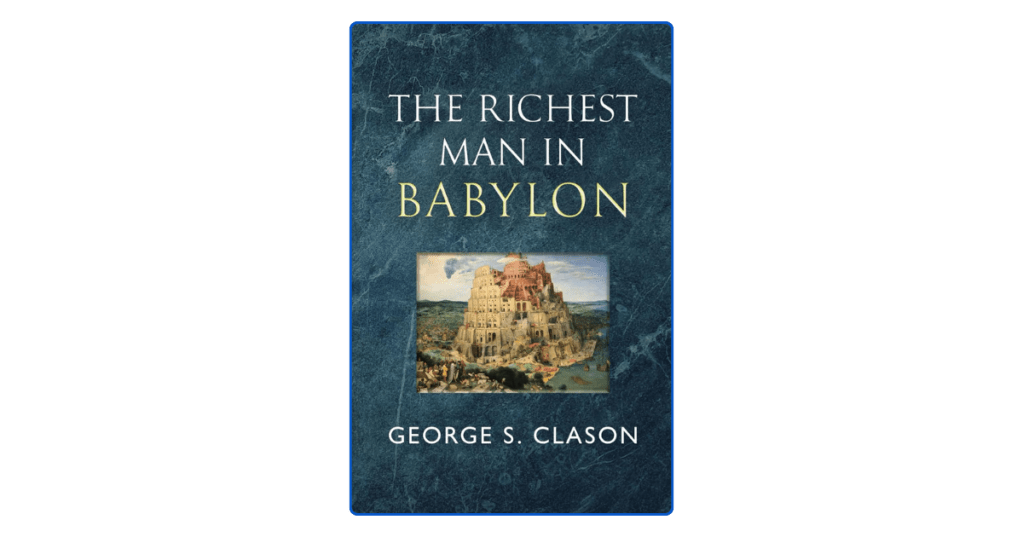
Timeless financial wisdom wrapped in parables that still shape how we build wealth today.
The Richest Man in Babylon remains a timeless financial classic, originally penned in the early 20th century but packed with insights that feel just as relevant today. Using vivid parables set in ancient Babylon—the wealthiest city of its time George S. Clason laid out fundamental principles for building wealth, managing money, and achieving lasting financial independence.
In this modern interpretation, Karen McCreadie distills Clason’s wisdom into 52 actionable lessons, each designed to help readers take control of their finances, one decision at a time. By weaving in real-world case studies and contemporary examples, McCreadie breathes new life into Clason’s ideas—proving that sound money habits never go out of style.
Whether you’re just starting out or reevaluating your financial path, this updated take offers a clear, practical roadmap to building sustainable wealth—with discipline, intention, and timeless wisdom as your guide.
1. Pay Yourself First—Always
Before spending on anything else, set aside at least 10% of what you earn. This habit is the foundation of wealth-building. If you treat saving as optional, your future will be too.
2. Control Your Expenses
Just because you earn more doesn’t mean you should spend more. Wealth comes from living below your means and learning to differentiate wants from needs.
3. Make Your Money Work for You
Saving is only the first step. The next is to invest your savings wisely so it multiplies. Money that sits idle loses value wealth grows when your gold earns more gold.
4. Guard Your Capital from Loss
Don’t invest blindly. Always seek sound advice and proven opportunities before parting with your money. Protection is just as important as profit.
5. Own Instead of Owe
Avoid unnecessary debt and strive to own assets not liabilities. Whether it’s your home, a business, or investments, ownership creates freedom, while debt creates dependency.
6. Increase Your Ability to Earn
Invest in yourself. Learn new skills, improve your craft, and pursue knowledge. The more valuable you become, the more income you can generate over time.
7. Opportunity Favors the Prepared
Wealth doesn’t come from luck it comes from being ready when opportunity knocks. Discipline, savings, and education ensure you’re in a position to act when chances arise.
8. Build a Long-Term Plan for Wealth
Don’t chase quick wins. Build wealth through consistent habits and long-term thinking. The richest man in Babylon didn’t become rich overnight it was slow, intentional growth.
9. Help Others Prosper Wisely
True prosperity includes generosity but not at the cost of your own stability. Lend or help only when it empowers, not when it weakens you or the other person.
10. Wealth Is a Mindset, Not a Windfall
Riches start in the mind. Practicing discipline, self-control, and wise decision-making are far more powerful than sudden wealth. Sustainability beats splurging every time.
Disclosure: This post includes affiliate links that may earn me a commission at no cost to you if you make a purchase.
can explore the book here:
Blinkist: Best Book Summaries & Audio Book Guides
Final Thought:
The Richest Man in Babylon isn’t about ancient gold it’s about timeless principles that still govern modern money. If you follow these rules with discipline and patience, wealth isn’t a matter of luck it’s the natural result.
![nick [Alliedify] Avatar](https://0.gravatar.com/avatar/6955a6009ff9c6a76e2eb88c263c9426c8c386b0a7637b4d0cc051871ee8c9f3?s=40&d=identicon&r=G)
 Alliedify
Leave a comment