1. Your Mind Is for Having Ideas, Not Holding Them
Trying to store every task in your head is a guaranteed path to stress and mental fatigue. Allen’s system clears mental clutter by moving tasks into a trusted external system.
Offload everything. A clear mind leads to better thinking, not just more doing.
2. Capture Everything No Exceptions
Every thought, idea, task, or promise should be captured instantly before it slips away. Whether it’s an app, a notepad, or voice memos, the first step is always: capture.
Don’t rely on memory. Build a habit of writing everything down the moment it hits you.
3. Clarify What “Done” and “Next” Look Like
Most stress comes from unclear commitments. GTD forces you to define the outcome (“What does done look like?”) and the very next action to move it forward.
Every project should have a clear finish line and a next step. No ambiguity, no friction.
4. Organize by Context, Not Priority
Sorting your tasks by where and how you can do them (phone calls, laptop, errands) is more effective than trying to rank them all by importance in the moment.
Set up lists by context—so you’re always doing the right work at the right time, wherever you are.
5. Your Calendar Is Sacred Only Use It for Time-Specific Items
If it doesn’t have a date or time attached, it doesn’t belong on your calendar. Treat it as your hard landscape, not a glorified to-do list.
Calendar = commitment. Keep it clean, or risk chaos.
6. The Weekly Review Is Your Anchor
Every week, step back and look at your whole system: projects, commitments, inboxes, and goals. This is where clarity is restored and alignment happens.
Skip the weekly review, and the system falls apart. This is where planning meets reflection.
7. Inboxes Are for Collecting Not Storing
Your inbox (email, app, desk tray) is where stuff lands, not where it lives. GTD insists you process and empty them regularly no black holes allowed.
“Inbox Zero” isn’t a buzzword it’s a discipline.
8. If It Takes Less Than Two Minutes, Do It Now
A brilliant GTD rule: if a task can be done in under two minutes, don’t track it just do it. It’s faster than organizing it.
Stop scheduling microtasks. Handle them in real time and stay light.
9. Projects Need Support Systems
A “project” is anything that requires more than one action. GTD treats projects like mini-missions, each needing clear goals, materials, and next steps.
Don’t track projects vaguely. Build structured support around each one.
10. Stress-Free Productivity Comes from Trusting Your System
The real win isn’t more tasks it’s peace of mind. When your brain knows everything’s captured, reviewed, and under control, you operate with clarity and confidence.
Productivity isn’t just output. It’s about building a life you can manage without overwhelm.
Disclosure: This post includes affiliate links that may earn me a commission at no cost to you if you make a purchase.
can explore the book here:
Blinkist: Best Book Summaries & Audio Book Guides
Final Take:
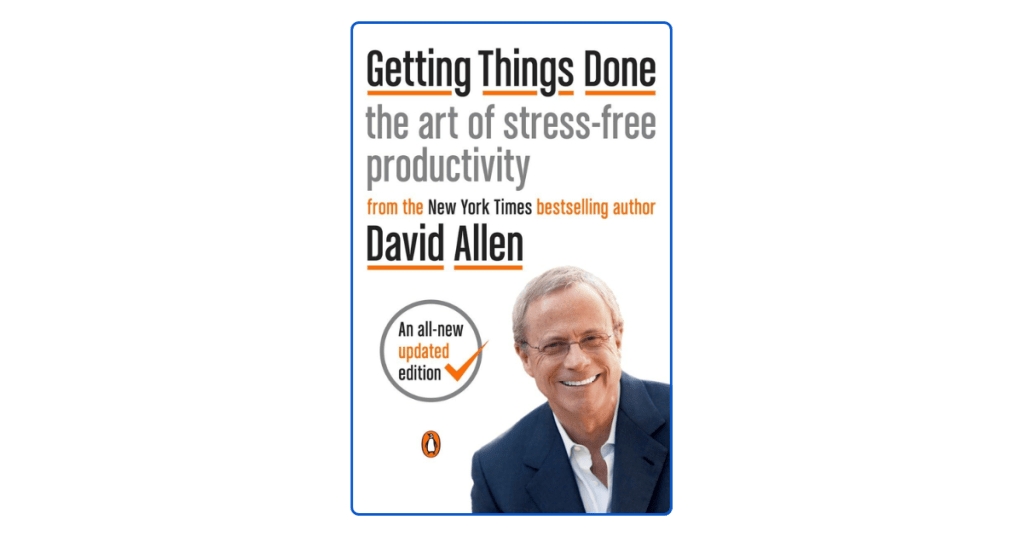
David Allen’s Getting Things Done isn’t just a method it’s a mindset shift. It teaches you to externalize chaos, define your work clearly, and build habits that protect your focus. Master this framework, and you stop reacting to life you start running it on your terms.
![nick [Alliedify] Avatar](https://0.gravatar.com/avatar/6955a6009ff9c6a76e2eb88c263c9426c8c386b0a7637b4d0cc051871ee8c9f3?s=40&d=identicon&r=G)
 Alliedify
Leave a comment