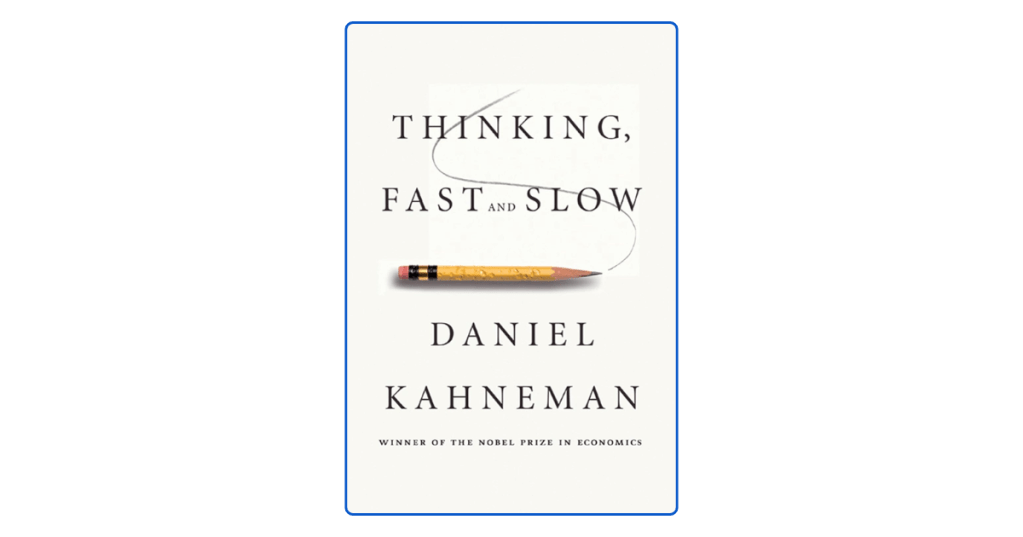
1. You Have Two Minds But Only One Thinks It’s in Charge
Kahneman divides the brain into two systems:
System 1 (fast, intuitive, emotional) and
System 2 (slow, deliberate, rational).
The problem? System 1 runs the show most of the time without you even noticing.
Awareness is your first defense against bias. Learn when to switch from autopilot to manual.
2. Intuition Feels Right, But That Doesn’t Make It Right
Just because something feels true doesn’t mean it is.
System 1 jumps to conclusions, filling in gaps with assumptions. Kahneman shows how confidence is often a mask for error.
Gut instinct is great but only when backed by expertise and reflection.
3. What You See Is All There Is (WYSIATI)
Our brain doesn’t seek the full picture it assumes the limited information in front of us is the whole story. This leads to poor decisions, especially under pressure.
Don’t just act on what’s visible. Ask what’s missing.
4. Cognitive Ease = Truth
If something is easy to process simple language, repetition, clean visuals we’re more likely to believe it.
But fluency doesn’t equal accuracy.
Challenge ideas that feel “too obvious.” Clarity can be deceptive.
5. Loss Aversion Controls More Than You Think
We feel the pain of loss more than the pleasure of gain.
This skews decisions toward fear, risk-avoidance, and inaction especially in money, negotiation, and leadership.
Don’t just optimize for safety. Optimize for long-term outcome.
6. Overconfidence Bias Is the Most Dangerous Bias
We tend to overestimate our knowledge, predictions, and control especially in fields like investing, business, and planning. This leads to bad bets and fragile systems.
Replace confidence with calibration. Stay skeptical of “sure things.”
7. Anchors Are Everywhere Even When They’re Useless
The first number we see (even if random) affects our judgment. Whether pricing a product or negotiating a raise, anchoring can warp perception.
8. The Planning Fallacy Is Real And Expensive
We consistently underestimate how long things will take even when we’ve failed before. Optimism clouds realism, and projects go off the rails.
Use reference class forecasting. Base your plans on data, not hope.
9. We Remember the Story, Not the Stats
People remember how experiences end more than how they unfold. Emotions and narratives drive memory, not logic.
If you want to be remembered, focus on emotional peaks and endings not just performance.
10. Slow Thinking Makes You Powerful If You Train It
System 2 takes effort. It resists shortcuts. But when applied with discipline, it unlocks better judgment, less regret, and smarter choices.
Slow down when it matters most. Use deliberate thinking like a scalpel, not a crutch.
Disclosure: This post includes affiliate links that may earn me a commission at no cost to you if you make a purchase.
can explore the book here:
Blinkist: Best Book Summaries & Audio Book Guides
Final Take:
Thinking, Fast and Slow isn’t just a psychology book it’s a mental operating system upgrade. Kahneman exposes how your brain works against you, then gives you the tools to fight back. Master this, and you don’t just think smarter you live smarter.
![nick [Alliedify] Avatar](https://0.gravatar.com/avatar/6955a6009ff9c6a76e2eb88c263c9426c8c386b0a7637b4d0cc051871ee8c9f3?s=40&d=identicon&r=G)
 Alliedify
Leave a comment