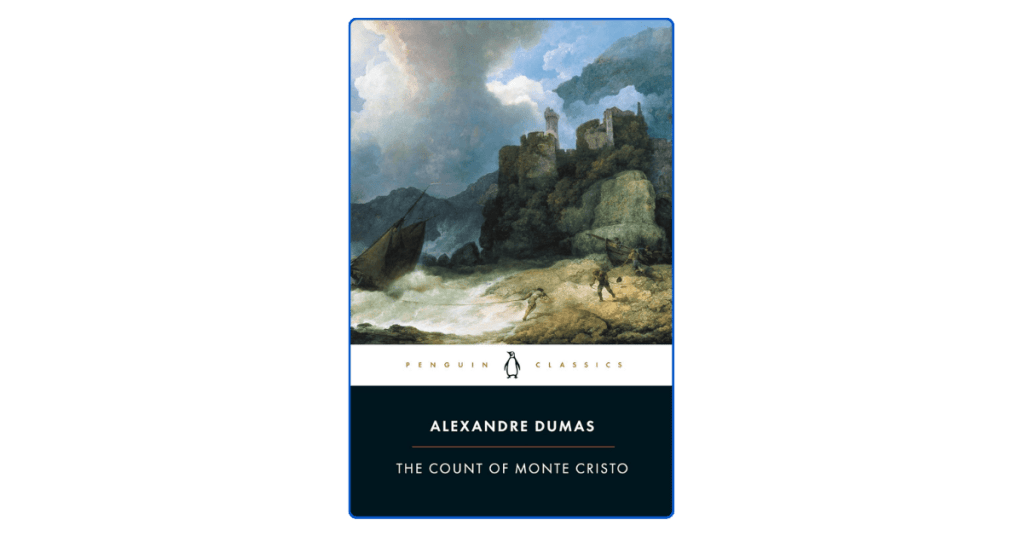
A tale of betrayal, resilience, and redemption that transcends time.
1. Patience Is the Strongest Weapon
Edmond Dantès endures years of wrongful imprisonment with one silent promise—he will wait, learn, and rise. Revenge, justice, or transformation whatever your goal, patience turns emotion into strategy.
2. Knowledge Is Power
While in prison, Dantès doesn’t just sulk he studies languages, philosophy, economics, and the world. His transformation into the Count is built on intellectual mastery. Learning gives him leverage in every situation.
3. Revenge Is a Double-Edged Sword
The novel is a cautionary tale about vengeance. While justice drives the plot, Dantès realizes too late that revenge can poison the soul and hurt the innocent. Redemption comes only when he chooses mercy over destruction.
4. Identity Can Be Rebuilt
Dantès reinvents himself entirely from a naive sailor to a mysterious aristocrat. The book teaches us that we are not bound by our past. With vision and discipline, you can redefine who you are and what you represent.
5. Injustice Doesn’t Have the Final Word
The Count’s story begins with betrayal and wrongful imprisonment. Yet, the arc of the narrative reminds us: injustice may delay destiny, but it cannot destroy it if you respond with wisdom rather than vengeance.
6. Wealth Without Purpose Is Hollow
Even with immeasurable fortune, Dantès struggles to find peace. Money becomes meaningful only when tied to justice, generosity, or healing. Riches alone don’t create fulfillment intention does.
7. Choose Your Allies Carefully
Trust is not given freely in Dumas’ world. Some friends are false; some enemies wear masks. From betrayal to loyalty, the novel reminds us to observe people’s actions, not just their words.
8. Pain Can Be a Catalyst for Greatness
What Dantès suffers becomes the furnace in which his transformation is forged. Suffering isn’t romanticized, but it is shown to be formative. Hardship either hardens or elevates and we get to choose which.
9. True Power Is Self-Mastery
The Count’s real strength isn’t his money or influence it’s his ability to control his impulses, emotions, and plans. In a world obsessed with control over others, this book praises control over self.
10. Forgiveness Is the Final Victory
After all the planning, retribution, and justice served, the Count realizes peace only arrives through forgiveness. Not just for others but for himself. The last lesson is the most human: let go to move forward.
Disclosure: This post includes affiliate links that may earn me a commission at no cost to you if you make a purchase.
can explore the book here:
Blinkist: Best Book Summaries & Audio Book Guides
Final Reflection
The Count of Monte Cristo is more than a revenge thriller. It’s a timeless meditation on identity, purpose, and the power of inner transformation. Alexandre Dumas weaves a masterclass on how to survive loss, rebuild from ruins, and walk away stronger when the heart learns to rise above vengeance.
![nick [Alliedify] Avatar](https://0.gravatar.com/avatar/6955a6009ff9c6a76e2eb88c263c9426c8c386b0a7637b4d0cc051871ee8c9f3?s=40&d=identicon&r=G)
 Alliedify
Leave a comment