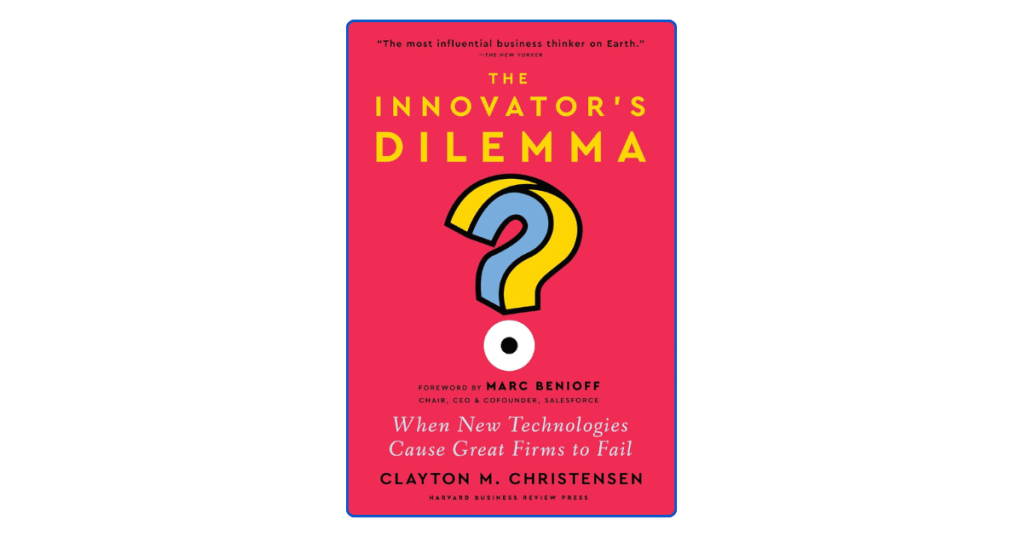
How Smart Companies Fail and How You Can Avoid Their Fate
1. Disruption Doesn’t Start at the Top
Groundbreaking innovations rarely begin by targeting mainstream customers. They start small in overlooked markets with lower margins and quietly redefine industries while the incumbents are busy protecting their turf.
2. Listening to Customers Can Be Dangerous
Ironically, the very thing that makes companies great listening closely to their best customers can also blind them to disruptive change. Innovators win by addressing future needs, not just current demands.
3. Disruptive Innovation Is Often Inferior… at First
New technologies usually underperform when they launch. They’re clunky, cheap, and easily dismissed. But they improve fast and when they do, they rapidly overtake even the most advanced legacy systems.
4. Big Companies Are Built to Sustain, Not Disrupt
Most large firms focus on sustaining innovations upgrades, optimizations, and incremental improvements. But real transformation requires a different mindset, one that often doesn’t fit inside traditional business structures.
5. Innovation Requires Autonomy
You can’t build revolutionary products inside rigid corporate chains. Disruptive teams need freedom separate budgets, culture, and decision-making power to innovate without being crushed by the core business.
6. Profit Margins Can Become a Trap
Chasing high margins makes sense until it doesn’t. Disruptors win by starting small, accepting lower returns, and focusing on scale and usability. Established firms often miss this because their financial models reject low-margin experiments.
7. Technology Alone Doesn’t Disrupt Business Models Do
It’s not just the tool that changes the game. It’s how you package, price, deliver, and monetize that technology. True disruption is about creating a whole new value network not just a better widget.
8. Being First Isn’t the Advantage Being Flexible Is
Pioneers often get stuck defending their invention. The winners are usually the ones who iterate faster, adapt more quickly, and are willing to break their own models before someone else does.
9. Disruption Is a Process, Not an Event
Markets don’t flip overnight. Disruption unfolds in stages with early adopters, evolving product quality, and gradual market takeover. Spotting and acting on this trend early is the difference between staying ahead and falling behind.
10. The Biggest Risk? Playing It Safe
The dilemma is simple: do you double down on what’s currently working, or invest in what could make your business obsolete? Most companies fail not because they make bad decisions but because they make safe ones too late.
Disclosure: This post includes affiliate links that may earn me a commission at no cost to you if you make a purchase.
can explore the book here:
Blinkist: Best Book Summaries & Audio Book Guides
The Innovator’s Dilemma is a wake-up call for founders, executives, and product builders. The world doesn’t reward those who play defense it rewards those who see around corners, take calculated risks, and out-innovate their past.
Success isn’t about protecting what made you great. It’s about reinventing before you’re forced to.
![nick [Alliedify] Avatar](https://0.gravatar.com/avatar/6955a6009ff9c6a76e2eb88c263c9426c8c386b0a7637b4d0cc051871ee8c9f3?s=40&d=identicon&r=G)
 Alliedify
Leave a comment