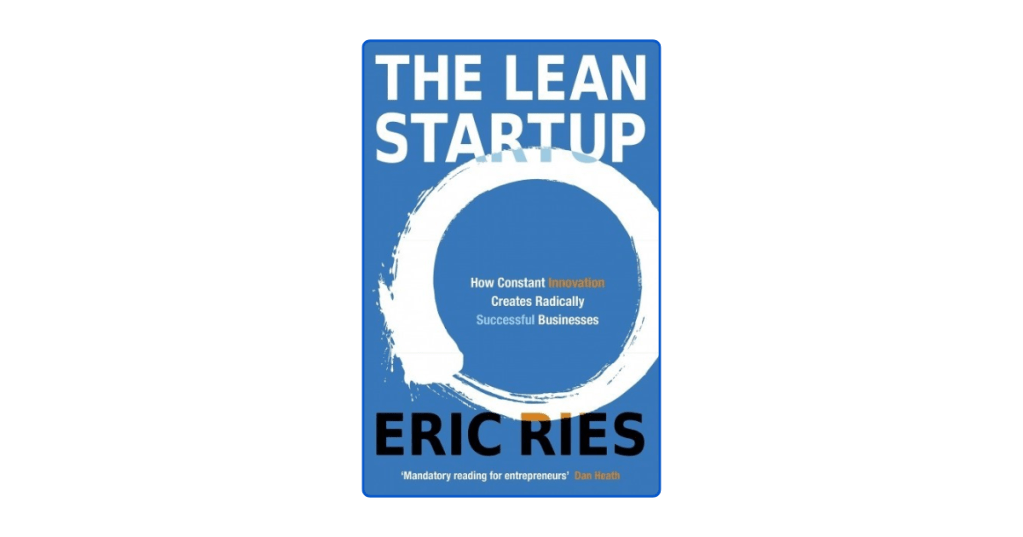
1. Start Before You’re Ready
Waiting for the perfect product slows innovation. Ries argues that launching with a Minimum Viable Product (MVP) allows real-world data to shape development. Execution > perfection. Let the market teach you.
2. Validate Ideas Through Learning, Not Assumptions
Most startups fail because they build something nobody wants. Instead of guessing, test your core assumptions early through validated learning data-driven insights gathered through user behavior, not internal debates.
3. Build-Measure-Learn: The Feedback Loop That Drives Progress
The core engine of a lean startup is simple: Build something small, measure how people respond, and learn what to do next. This loop repeats rapidly, keeping you close to customer needs and reducing waste.
4. Pivot When Necessary
Sometimes, the data tells you to change direction not quit. A pivot means you keep your vision but adapt your strategy. Great founders don’t cling to failed ideas; they iterate intelligently.
5. Vanity Metrics Are Dangerous
Pageviews and downloads feel good, but they rarely reflect true progress. Focus on actionable metrics customer retention, conversions, and lifetime value that directly inform smart decisions.
6. Continuous Deployment Beats Sporadic Perfection
Speed matters. Small, frequent releases let you identify bugs, test features, and gather feedback faster. The goal isn’t flawless code it’s sustainable momentum.
7. Customers Are Your Co-Creators
Your first users are more than buyers they’re collaborators. Treat them as partners in the learning process. Their feedback, frustrations, and behavior should guide your roadmap.
8. Eliminate Waste Relentlessly
In lean thinking, waste is anything that doesn’t create value for the customer. That includes bloated features, lengthy meetings, and speculative development. Focus on what delivers real impact.
9. Entrepreneurship Is Management
Being a visionary isn’t enough. Lean startup methodology treats startups as experiments that need structure. That means goals, metrics, process, and discipline without the bureaucracy.
Affiliate Disclosure: This post may include affiliate links. We may earn a small commission if you buy through them at no extra cost to you.
can explore the book here:
Blinkist: Best Book Summaries & Audio Book Guides
10. Innovation Is a Repeatable System
Innovation isn’t magic it’s a method. By combining discipline with experimentation, any team can build a culture of innovation. It’s not about genius; it’s about repeatable systems that scale learning and impact.
![nick [Alliedify] Avatar](https://0.gravatar.com/avatar/6955a6009ff9c6a76e2eb88c263c9426c8c386b0a7637b4d0cc051871ee8c9f3?s=40&d=identicon&r=G)
 Alliedify
Leave a comment