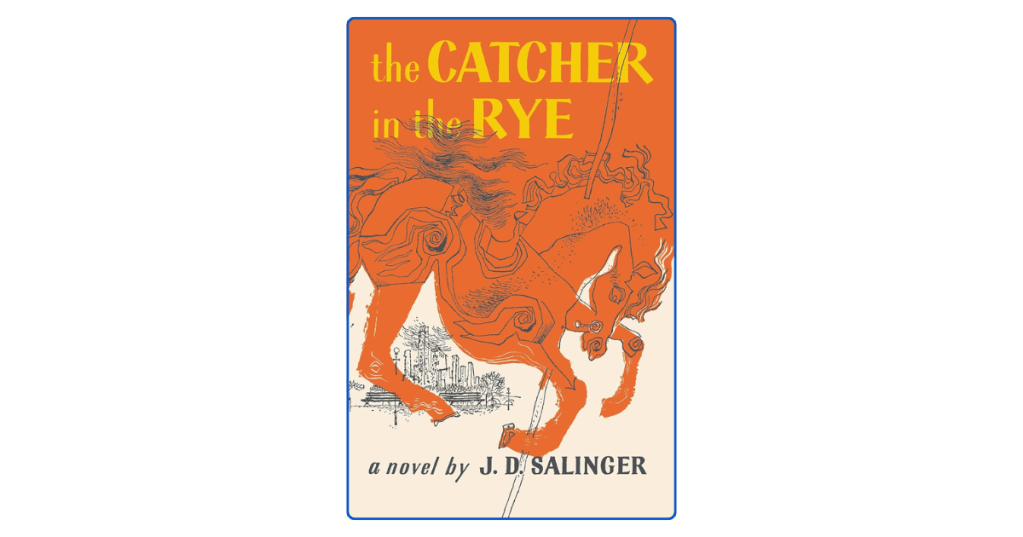
J.D. Salinger’s classic isn’t just a coming-of-age tale it’s a raw, introspective portrait of identity, disillusionment, and the quiet war between innocence and adulthood.
Disclosure: This post includes affiliate links that may earn me a commission at no cost to you if you make a purchase.
can explore the book here:
Blinkist: Best Book Summaries & Audio Book Guides
1. Authenticity Is Rare Protect It
Holden Caulfield’s disdain for “phoniness” is more than teenage angst. It’s a deep craving for genuine human connection in a world full of masks.
Modern Truth: In an era of filters and facades, staying real is a form of rebellion.
2. Growing Up Doesn’t Mean Selling Out
Holden fears adulthood because he equates it with losing sincerity. His resistance is a reminder that maturity doesn’t require moral compromise.
Key Takeaway: You can grow older without growing cold.
3. Mental Health Deserves Attention, Not Shame
Holden’s emotional breakdown reveals the silent struggles many face behind closed doors. The novel was ahead of its time in exposing mental fragility without judgment.
Cultural Lesson: Vulnerability isn’t weakness it’s the first step to healing.
4. The Innocence of Youth Is Worth Defending
Holden’s dream of being the “catcher in the rye” is symbolic he wants to save children from the disillusionment he’s experienced.
Emotional Insight: Sometimes, the deepest pain comes from watching innocence fade.
5. Loneliness Is a Signal, Not a Sentence
Despite being surrounded by people, Holden feels profoundly alone. His story highlights that isolation often stems from feeling misunderstood, not from physical solitude.
Self-Awareness: Connection starts when you stop pretending and start expressing.
6. Grief Leaves a Permanent Mark
Holden’s unresolved grief over his brother Allie’s death shapes much of his behavior. It shows how unspoken pain can bleed into every corner of our lives.
Hard Truth: If you don’t process your past, it quietly scripts your future.
7. Not Everyone Deserves Your Trust And That’s Okay
Holden’s disillusionment is partly due to misplaced expectations. But learning discernment is part of growing up.
Practical Lesson: Guard your trust, but don’t wall off your heart.
8. Society Rewards Conformity But Needs Questioners
Holden critiques everything from elite schools to superficial adults not to destroy, but to challenge. He’s a rebel with an emotional cause.
Cultural Reflection: Progress depends on the misfits who dare to ask “why?”
9. Even the Most Flawed People Crave Meaning
Holden is impulsive, confused, and cynical. But beneath it all is a deep desire to find something pure and unbreakable.
Human Truth: We’re all searching for love, for purpose, for peace. Some just hide it better.
10. Healing Begins When You Stop Running
The story ends with Holden in therapy, looking back at the people he misses. It’s subtle, but powerful: introspection is his first step toward clarity.
Final Lesson: You don’t heal by escaping life you heal by facing it with honesty.
The Catcher in the Rye isn’t a manual for life it’s a mirror. It shows the chaos, contradictions, and tenderness of being human, especially when the world doesn’t make sense. In Holden’s confusion, we find clarity. In his rebellion, we rediscover our own truths.
![nick [Alliedify] Avatar](https://0.gravatar.com/avatar/6955a6009ff9c6a76e2eb88c263c9426c8c386b0a7637b4d0cc051871ee8c9f3?s=40&d=identicon&r=G)
 Alliedify
Leave a comment