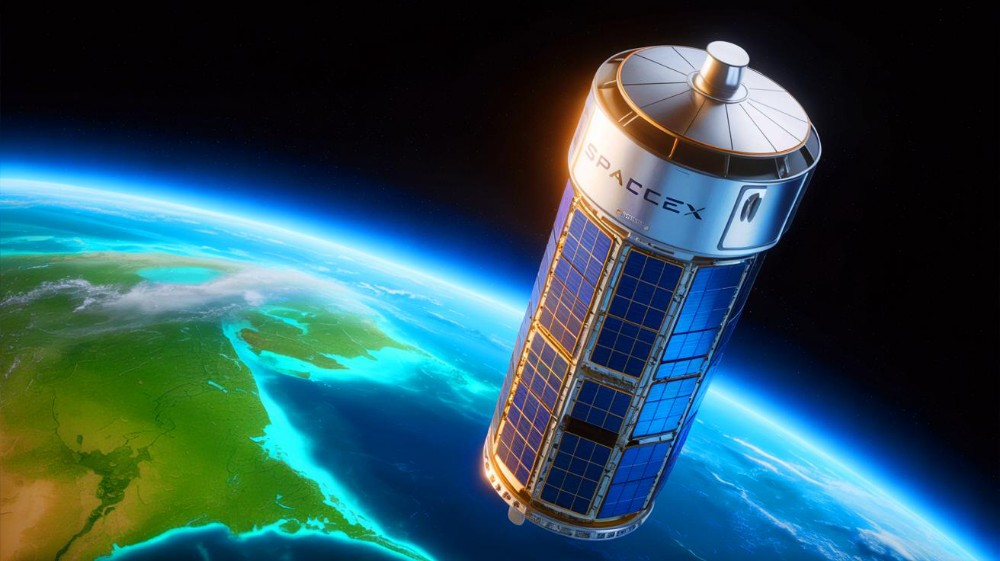
SpaceX has entered a new chapter in its telecom ambitions with a $17 billion acquisition of EchoStar’s frequency licenses. This strategic move could transform the way people connect to the internet by allowing smartphones to link directly to satellites, bypassing traditional cell towers..
Why This Deal Matters
The purchase gives SpaceX access to the S-band and MSS spectrum, both of which are critical for enabling satellite-to-smartphone communication. By securing these rights, SpaceX ensures that Starlink’s growing satellite constellation can operate without depending on third-party infrastructure. This not only strengthens its market position but also pushes the company closer to its goal of becoming a global telecom provider.
EchoStar, known for its Boost Mobile brand, was facing financial strain. The acquisition helps SpaceX absorb valuable spectrum while EchoStar reduces debt—a mutually beneficial deal that signals larger shifts in the satellite telecom sector.
Starlink’s Direct to Cell Service
Starlink began rolling out its Direct to Cell satellites in early 2024. Unlike traditional satellite phones, this technology allows any standard smartphone to connect directly to satellites for basic services such as text messaging, calls, and eventually broadband internet.
Currently, more than 600 satellites are in operation, covering parts of North America, Europe, Asia, Africa, and South America. While the service still faces challenges like higher latency and difficulty penetrating walls, it has already proved invaluable in disaster response. During natural crises where cell towers failed, Starlink’s direct-to-satellite network delivered millions of urgent messages and alerts.
What’s Next for Starlink
SpaceX has confirmed that the next generation of satellites will be far more powerful. Data speeds are expected to be 20 times faster, while capacity could increase 100-fold compared to earlier versions. These upgrades aim to deliver experiences closer to 5G networks, making Starlink not just an emergency backup, but a viable everyday alternative for users worldwide.
The company’s ability to bypass ground-based infrastructure also positions it as a key player in bridging the digital divide, especially in rural and underserved areas where laying fiber or building towers is costly.
Competition Heats Up
SpaceX’s $17 billion bet underscores its determination to dominate satellite communications, but the race is far from over. Amazon’s Kuiper project, Eutelsat-OneWeb, and Apple are all working on similar technologies. Each competitor brings unique strengths Amazon with its cloud ecosystem, OneWeb with its global partnerships, and Apple with its iPhone integration.
This growing competition highlights just how valuable satellite to smartphone connectivity will be in the coming decade. Whoever secures global coverage first will shape the future of mobile communications.
The Bigger Picture
Beyond technology, this acquisition represents a strategic shift in how telecom and space industries are converging. By investing heavily in spectrum rights, SpaceX isn’t just launching satellites it’s laying the foundation for a new era where space-based infrastructure could rival traditional mobile networks.
If successful, Starlink could become more than an internet service. It could redefine how billions of people connect, ensuring no one is out of reach whether in cities, rural villages, or disaster zones.
![nick [Alliedify] Avatar](https://0.gravatar.com/avatar/6955a6009ff9c6a76e2eb88c263c9426c8c386b0a7637b4d0cc051871ee8c9f3?s=40&d=identicon&r=G)
 Alliedify
Leave a comment