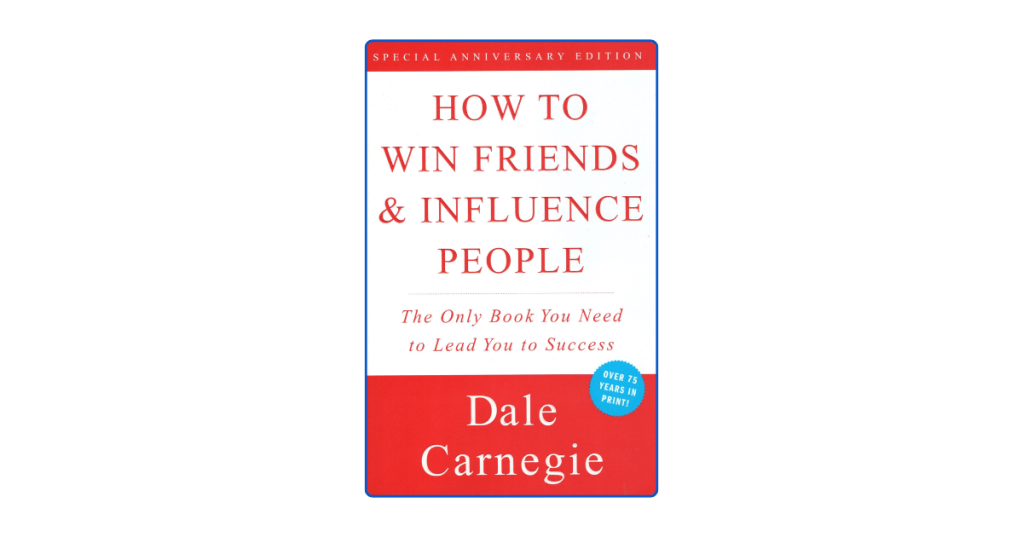
Dale Carnegie’s classic principles of human connection and influence have guided generations — but what happens when those timeless lessons meet the complexities of today’s digital landscape? How to Win Friends and Influence People in the Digital Age brings Carnegie’s foundational wisdom into the 21st century, adapting it for social media, remote work, and online communication.
This updated edition goes beyond surface-level networking tips. It reimagines how empathy, persuasion, and relationship-building operate when much of our interaction happens behind screens and across time zones. In a world of rapid information exchange, digital noise, and fleeting attention spans, Carnegie’s principles help you cut through the clutter to build authentic, lasting connections.
Whether you’re an entrepreneur, professional, or anyone navigating online relationships, this book is a roadmap to mastering influence in a world that never sleeps.
Top 10 Lessons from How to Win Friends and Influence People in the Digital Age
1. Empathy is the cornerstone of digital relationships
Behind every screen is a person with feelings. Recognizing this and engaging with genuine empathy turns superficial online interactions into meaningful connections.
2. Listen actively—even when you can’t hear
In digital communication, listening means reading carefully, responding thoughtfully, and giving people space to express themselves fully, whether through text, video, or voice.
3. Be authentic; digital audiences can spot insincerity instantly
Authenticity builds trust. Whether in emails, social posts, or video calls, being yourself helps cut through skepticism and fosters real influence.
4. Use names and personalized touches online
Just like in-person, people respond positively when you address them by name or tailor your messages to their interests and needs—small digital gestures go a long way.
5. Frame criticism constructively
Feedback is unavoidable, but how you deliver it makes all the difference. Carnegie’s principles urge you to soften critiques with kindness and focus on solutions rather than blame—even in digital formats.
6. Show appreciation publicly and privately
Acknowledging others’ efforts and successes through public praise or private messages builds goodwill and strengthens relationships across digital platforms.
7. Ask questions that invite dialogue
Instead of one-sided broadcasting, cultivate two-way conversations by asking open-ended questions that encourage sharing and deeper engagement.
8. Be mindful of tone and timing
Without face-to-face cues, tone can be misinterpreted. Think carefully about your wording and when you send messages, especially across time zones and cultures.
9. Stay consistent and reliable
Regular, dependable communication builds your digital reputation. Whether it’s responding promptly or delivering on promises, consistency is key to long-term influence.
10. Build your digital presence with value, not just volume
Quality beats quantity. Sharing thoughtful, helpful content establishes you as a trusted voice rather than just another noisy presence in crowded digital spaces.
Final Thoughts
How to Win Friends and Influence People in the Digital Age revitalizes Dale Carnegie’s legendary advice for modern realities. It teaches that genuine human connection transcends platforms, and that influence is earned through empathy, authenticity, and respect — whether online or offline.
For anyone looking to thrive personally or professionally in the digital era, this book is an indispensable guide to building relationships that last in a fast-paced, hyperconnected world.
![nick [Alliedify] Avatar](https://0.gravatar.com/avatar/6955a6009ff9c6a76e2eb88c263c9426c8c386b0a7637b4d0cc051871ee8c9f3?s=40&d=identicon&r=G)
 Alliedify
Leave a comment