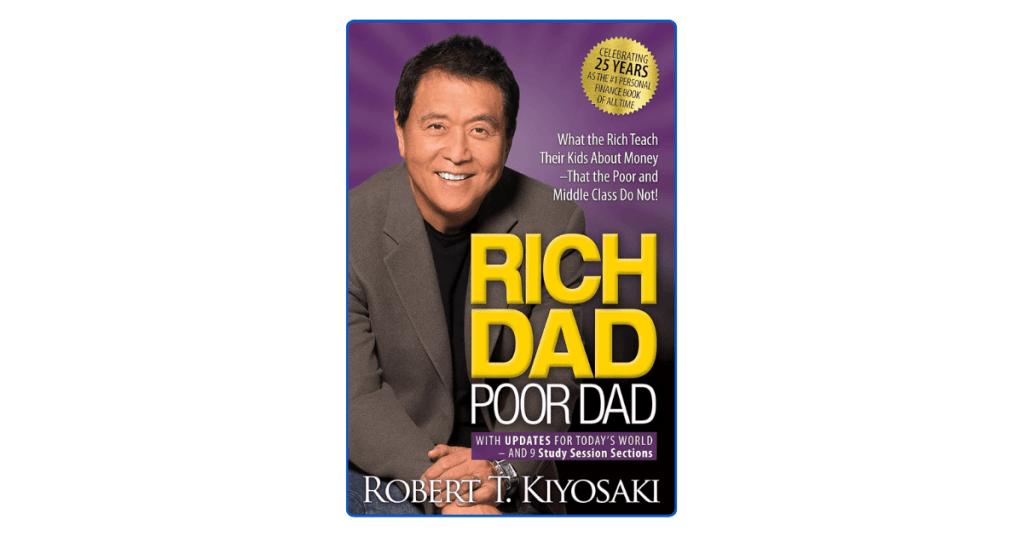
1. The Rich Don’t Work for Money They Make Money Work for Them
Kiyosaki challenges the conventional mindset of earning a salary and climbing the corporate ladder. The wealthy focus on building assets that generate income passively money flowing in whether they work or not.
2. Financial Education is More Powerful Than Academic Degrees
School teaches you how to be a good employee, not how to build wealth. The rich prioritize financial literacy munderstanding money, investing, taxation, and risk because real-world wealth isn’t built in textbooks.
3. Buy Assets, Not Liabilities
Assets put money in your pocket; liabilities take it out. Kiyosaki urges readers to invest in income-generating assets like real estate, stocks, or businesses and avoid lifestyle inflation masked as “investments.”
4. Mindset Determines Financial Destiny
The difference between the two “dads” isn’t income—it’s mindset. One feared risk, the other embraced it. One played not to lose, the other played to win. The lesson? Wealth is shaped by beliefs before it’s reflected in bank accounts.
5. Learn to Sell and Market
In any industry, your ability to sell your product, your story, or yourself is a high-leverage skill. Kiyosaki emphasizes communication, persuasion, and branding as essential tools for building wealth.
6. Take Control of Your Career Path
Don’t rely on a single employer or job title. The wealthy treat careers like businesses: they acquire diverse skills, build income streams, and strategically position themselves in the market.
7. Fear and Cynicism Kill Financial Growth
Most people are held back by fear of failure and skepticism about opportunity. Kiyosaki argues that those who succeed are not fearless, but willing to act despite fear and learn from mistakes.
8. Make Money Work Through Investments
Rather than saving to save, the rich save to invest. Compound growth, rental income, dividends, and capital gains are how wealth expands over time without trading time for money.
9. Taxes Favor the Financially Educated
The tax system rewards business owners and investors, not employees. Kiyosaki shows how understanding tax codes, corporate structures, and deductions can legally reduce liabilities and grow profits.
10. Start Building Wealth Early But It’s Never Too Late
Financial freedom isn’t built overnight, but small, smart decisions compound over time. Whether you’re 20 or 50, the right mindset and financial habits can change your life’s trajectory.
Disclosure: This post includes affiliate links that may earn me a commission at no cost to you if you make a purchase.
can explore the book here:
Buy book on Amazon
Blinkist: Best Book Summaries & Audio Book Guides
![nick [Alliedify] Avatar](https://0.gravatar.com/avatar/6955a6009ff9c6a76e2eb88c263c9426c8c386b0a7637b4d0cc051871ee8c9f3?s=40&d=identicon&r=G)
 Alliedify
Leave a comment