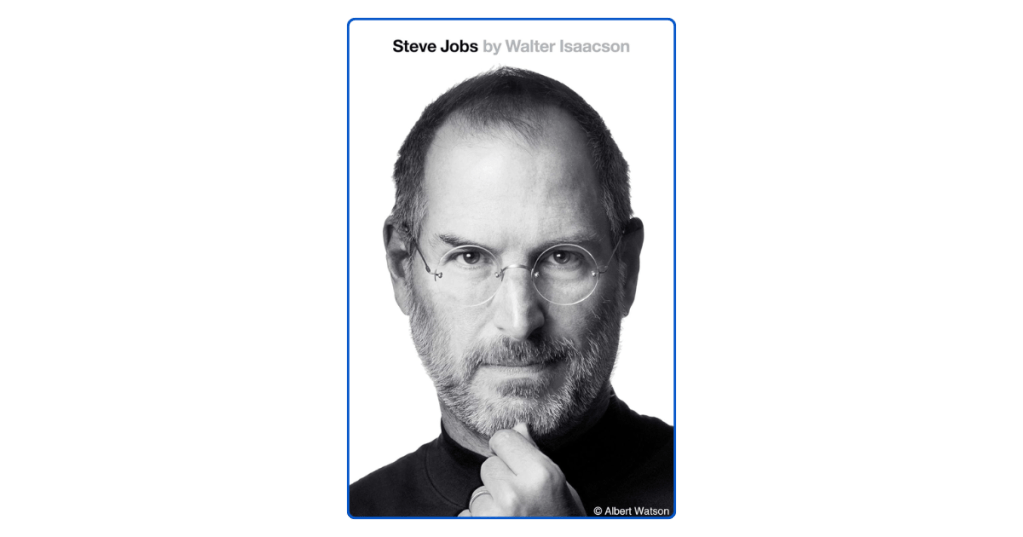
In 2011, the world lost one of its boldest innovators. Steve Jobs, co-founder of Apple, left behind more than products he left behind a revolution. From computers and music to movies and mobile phones, Jobs transformed entire industries with a rare blend of creativity, daring, and relentless vision. Few executives have endured such dramatic failures, only to rise again and orchestrate what many call the greatest corporate comeback in history.
Early Life and Counterculture Roots
Born in San Francisco in 1955 and adopted by a working-class family, Steve Jobs grew up in Silicon Valley’s culture of experimentation and freedom. As a teenager, he was drawn to the 1960s counterculture, inspired by Bob Dylan, the Beatles, and Eastern philosophy. Jobs briefly attended Reed College in Oregon before dropping out to travel. His unconventional lifestyle included strict diets and long hair, marking him as very much a product of his era.
Back in California, Jobs immersed himself in the emerging world of personal computing. At the famed Homebrew Computer Club, he connected with Steve Wozniak, an engineer whose brilliance perfectly complemented Jobs’ instinct for design and marketing. The duo began building computers in Jobs’ family garage a humble beginning for what would soon become Apple.
Building Apple and the Rise of the Apple II
Jobs and Wozniak’s first creation, the Apple I, attracted modest attention. But their breakthrough came with the Apple II, one of the first personal computers designed for consumers. With its built-in keyboard, color graphics, and sleek design, the Apple II was an instant success. Backed by early investors, Apple quickly became a Silicon Valley star, with Jobs and Wozniak on magazine covers representing a new generation of entrepreneurs.
By the late 1970s, Jobs secured access to Xerox PARC’s research labs, where he discovered innovations like the graphical user interface and the mouse technology Xerox failed to commercialize but Jobs immediately recognized as the future of computing.
The Macintosh and Early Power Struggles
Jobs threw himself into developing the Macintosh, a computer designed to make complex technology simple for everyday users. His intense leadership style pushed teams to their limits, often demanding near-perfection and dismissing anything he considered mediocre.
In 1984, Apple launched the Macintosh with one of the most famous commercials of all time the “1984” ad that aired during the Super Bowl. The Mac was revolutionary, but sales fell short of expectations. Jobs’ mercurial leadership, combined with internal tensions, led to a showdown with then-CEO John Sculley. By 1985, Apple’s board sided with Sculley, forcing Jobs out of the company he co-founded.
NeXT, Pixar, and a Decade in the Wilderness
Jobs responded by founding NeXT, a computer company focused on advanced technology for businesses and education. Though NeXT’s hardware failed to gain traction, its software would later prove invaluable. At the same time, Jobs acquired a small graphics studio from George Lucas. That company, renamed Pixar, would change animation forever.
Pixar’s breakthrough came in 1995 with Toy Story, the world’s first fully computer-animated feature film. The movie was a box office smash, and Pixar’s IPO made Jobs a billionaire. Ironically, while Apple floundered without him, Jobs was redefining Hollywood.
Return to Apple and the Greatest Turnaround
By the mid-1990s, Apple was in crisis. Sales slumped, products stagnated, and Microsoft dominated the personal computer market. In 1996, Apple acquired NeXT for over $400 million, bringing Jobs back to the company. Initially serving as “interim CEO,” he quickly restructured Apple, cut failing projects, and redefined its vision.
Jobs’ comeback began with bold marketing the Think Different campaign and bold products, starting with the colorful iMac. The iMac’s success revived Apple’s finances and proved the company could still create hit products. But Jobs was only getting started.
Reinventing Music, Phones, and Beyond
In 2001, Apple launched the iPod not just a music player, but part of a larger ecosystem centered on iTunes. By negotiating directly with music executives, Jobs built a platform that reshaped the industry and made digital music mainstream. Over 350 million iPods were sold, cementing Apple’s dominance in consumer electronics.
Then came the product that defined a generation: the iPhone. Introduced in 2007, it combined a phone, music player, and internet device into a single sleek product. More than a gadget, the iPhone created the modern smartphone era. Jobs’ trademark “reality distortion field” turned product launches into cultural events, with fans and media hanging on his every word.
Apple followed with the iPad in 2010, extending its reach into portable computing and cementing its role at the center of digital life.
Health Battles and Final Years
Behind the scenes, Jobs faced a private battle with pancreatic cancer. First diagnosed in 2004, he underwent surgeries and even a liver transplant, but continued to lead Apple through its most successful years.
By 2011, his health had deteriorated. Jobs resigned as Apple’s CEO in August, passing the role to Tim Cook. On October 5, 2011, Steve Jobs died at the age of 56, at his home in Palo Alto. At the time of his death, Apple had become the most valuable company in the world.
Legacy of a Visionary
Steve Jobs’ life was defined by extremes brilliant successes, crushing failures, and dramatic comebacks. He wasn’t always easy to work with, and his perfectionism often pushed people to their limits. But his ability to see the future and make it real set him apart.
From the Macintosh to the iPhone, Jobs’ genius was not just in invention, but in execution. He saw possibilities where others saw risks, and he had the rare ability to turn ideas into products that reshaped culture.
As Jobs once told graduates at Stanford: “Stay hungry, stay foolish.”
Those words remain the perfect summary of his life and work a relentless pursuit of the impossible that changed the world forever.
Disclosure: This post includes affiliate links that may earn me a commission at no cost to you if you make a purchase.
can explore the book here:
![nick [Alliedify] Avatar](https://0.gravatar.com/avatar/6955a6009ff9c6a76e2eb88c263c9426c8c386b0a7637b4d0cc051871ee8c9f3?s=40&d=identicon&r=G)
 Alliedify
Leave a comment