In today’s hyper connected, fast moving world, trust isn’t just a soft virtue it’s a hard edge economic driver. In The Speed of Trust, Stephen M.R. Covey, son of renowned leadership expert Stephen R. Covey, reframes trust as a measurable and actionable asset. He argues that trust is the single most powerful force in relationships, teams, organizations, and markets and when trust is high, everything moves faster and costs less. When it’s low, everything slows down and becomes more expensive.
This groundbreaking book offers a fresh lens on leadership and performance by revealing how trust, or the lack of it, directly impacts productivity, collaboration, and long term success. Covey introduces a practical framework for building, restoring, and expanding trust starting with self trust and extending to organizational and societal levels. With real world examples, insightful diagnostics, and clear behaviors to adopt, The Speed of Trust shows how cultivating credibility and integrity can transform not just how others see you, but how effectively your business or life operates.
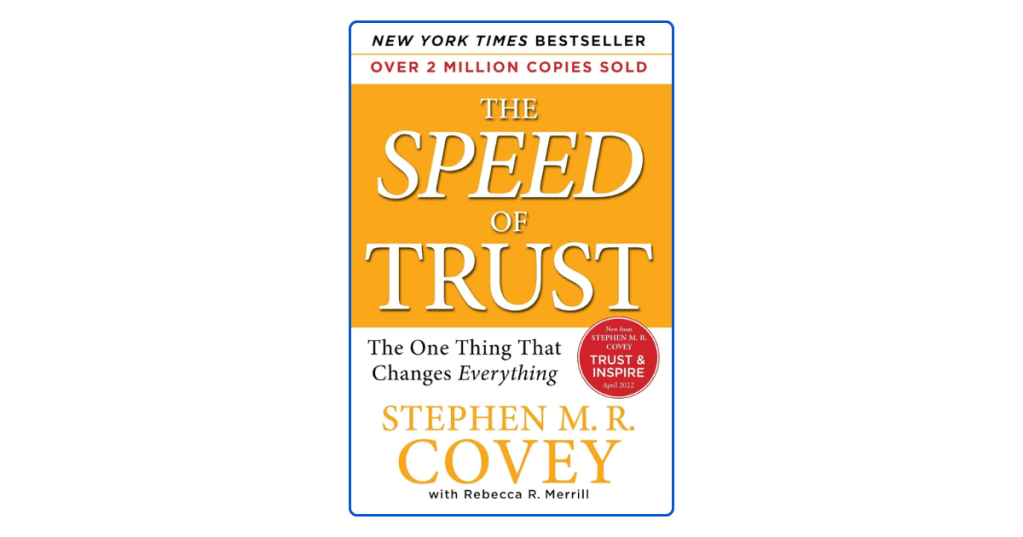
Top 10 Key Lessons from The Speed of Trust by Stephen M.R. Covey
1. Trust Is an Economic Driver
Trust isn’t just a “nice to have” it’s a tangible, measurable asset. When trust increases, speed goes up and costs go down. Whether you’re closing deals, leading a team, or managing change, high trust is a competitive advantage.
2. Trust Starts with You (Self Trust)
Before you can build trust with others, you must cultivate it within yourself. That means developing character and competence doing what you say you will do, and consistently delivering results.
3. The Four Cores of Credibility
Covey breaks down trust into four foundational pillars: integrity, intent, capabilities, and results. Strengthen all four to become someone others naturally trust.
4. Behavior Matters More Than Promises
It’s not just what you say it’s what you consistently do. Covey outlines 13 specific trust-building behaviors (like demonstrating respect, righting wrongs, and delivering results) that anyone can practice daily.
5. Trust Is Built Behavior by Behavior
Trust is not a one-time event but a series of repeated behaviors. Every action you take either adds to or subtracts from your trust account with others.
6. Low Trust Is a Tax
When trust is missing in a team or organization, communication slows down, accountability drops, and morale weakens. It creates a “trust tax” that undermines performance and innovation.
7. High Trust Is a Dividend
High-trust cultures enjoy a “trust dividend” faster decisions, better collaboration, greater loyalty, and improved outcomes. Leaders in these environments inspire more engagement and creativity.
8. Transparency Accelerates Trust
Being open, honest, and clear builds confidence. Even in difficult situations, transparency creates an environment where people feel respected and included.
9. Restoring Trust Is Possible
Even if trust is broken, it can be rebuilt through accountability, humility, and consistent right action. Covey emphasizes that apologies alone aren’t enough; you must restore trust by changing behavior.
10. Trust Scales from Personal to Global
From family relationships to corporate boards to geopolitical dynamics, the principles of trust remain universal. The more trust you create at every level, the greater your impact and influence.
Final Insight:
The Speed of Trust isn’t just a leadership philosophy it’s a performance strategy. Whether you’re building a brand, leading a team, or navigating personal relationships, Covey makes it clear: trust is the one thing that changes everything.
![nick [Alliedify] Avatar](https://0.gravatar.com/avatar/6955a6009ff9c6a76e2eb88c263c9426c8c386b0a7637b4d0cc051871ee8c9f3?s=40&d=identicon&r=G)
 Alliedify
Leave a comment