How Data-Driven Strategy Disrupted Baseball and What It Means for Every Underdog Today
The Underdog Blueprint for Outsmarting Giants
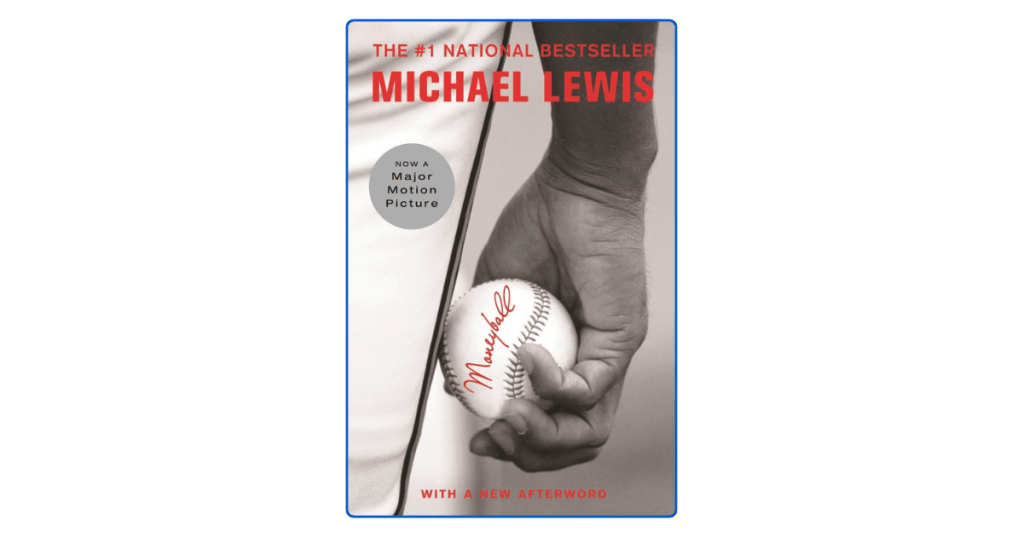
Moneyball isn’t just a book about baseball. It’s a business manifesto disguised as a sports story. Michael Lewis chronicles how the Oakland A’s, one of the poorest teams in Major League Baseball, used data, discipline, and disruptive thinking to compete and often outperform much richer franchises.
At the center is Billy Beane, the A’s unconventional general manager, who rejects traditional scouting wisdom in favor of a system built on sabermetrics a nerdy, numbers-based approach to measuring player value. Where others saw weakness, he saw undervalued potential. Where others followed emotion, he followed logic.
The result? A revolution. Not just in baseball, but in how we define performance, allocate resources, and compete with limited means. Whether you’re running a lean startup, scaling an agency, or building an audience from zero Moneyball teaches you how to win without having everything.
Top 10 Lessons from Moneyball by Michael Lewis
1. Data Is Your Most Underrated Advantage
Billy Beane challenged gut instincts with hard numbers. While rivals relied on intuition, he used stats to make smarter, faster, cheaper decisions. In the digital age, data isn’t just support it’s a strategy. Measure what matters, ignore noise, and let facts lead.
2. You Don’t Need the Best Players You Need the Right Ones
The A’s couldn’t afford all-stars, so they focused on value per dollar players who got on base consistently, even if they lacked flash. In business, it’s the same: focus on efficiency, fit, and overlooked talent over credentials or popularity.
3. Question Everything Especially Tradition
Moneyball exposed how much of baseball was built on outdated myths. From scouting clichés to recruitment practices, Beane tore it down. Whatever field you’re in, question assumptions. If you’re doing something “because that’s how it’s always been done,” you’re likely bleeding opportunity.
4. Markets Are Inefficient Exploit That
The genius of Moneyball wasn’t finding new talent it was recognizing that others were mispricing it. Whether it’s hiring, product marketing, or investments, there’s always a gap between perception and reality. Find the inefficiencies, and play where others aren’t looking.
5. Be Emotionally Detached When Making Key Decisions
Beane made bold moves cutting players, ignoring crowd pressure, challenging scouts all by removing emotion from judgment. Emotional intelligence doesn’t mean emotional decisions. Learn to separate logic from loyalty when the stakes are high.
6. Resource Constraints Can Be Your Greatest Advantage
Without big budgets, the A’s were forced to think differently and that made them more innovative. Constraints force clarity. When you’re building with limited time, money, or reach, don’t complain optimize, simplify, innovate.
7. Success Leaves Clues but Only If You’re Tracking the Right Metrics
The A’s didn’t win by guessing. They tracked on-base percentage, slugging efficiency, and player productivity per dollar. In modern business, the same applies: vanity metrics fool you. Obsess over KPIs that correlate with real performance, not optics.
8. Focus Beats Flash
While other teams chased headlines and personalities, the A’s chased outcomes. They didn’t care how a player looked they cared if he delivered results. As a founder, coach, or creator, clarity of purpose will always beat superficial hype.
9. Change Is Uncomfortable but Necessary
Moneyball’s methods were ridiculed by insiders and old-school managers. Beane faced massive resistance. But progress often looks like failure before it looks like genius. When you’re doing something new, expect pushback and keep moving.
10. Outsmarting Giants Is a Repeatable Formula
The beauty of Moneyball is that it’s replicable. The lessons of using data, spotting inefficiencies, and making smarter bets apply far beyond sports. Whether you’re an indie business, bootstrapped brand, or small team you can win by being sharper, not richer.
Disclosure: This post includes affiliate links that may earn me a commission at no cost to you if you make a purchase.
can explore the book here:
Blinkist: Best Book Summaries & Audio Book Guides
![nick [Alliedify] Avatar](https://0.gravatar.com/avatar/6955a6009ff9c6a76e2eb88c263c9426c8c386b0a7637b4d0cc051871ee8c9f3?s=40&d=identicon&r=G)
 Alliedify
Leave a comment