Talking to Strangers explores one of the most underestimated challenges of modern life: how badly we understand people we don’t know. Malcolm Gladwell takes us on a gripping investigation into miscommunication, assumption, and trust unpacking high-profile cases ranging from police violence to international espionage to celebrity scandals.
In classic Gladwell fashion, the book blends psychology, history, and storytelling to explain why our default assumptions often lead us astray. We think we’re good judges of character. We’re not. We assume others are telling the truth. They may not be. And we believe our intuition is reliable when it comes to strangers but more often than not, it fails us.
This book isn’t just about how to spot a liar or avoid awkward conversations it’s a sobering look at how poor communication between strangers can lead to devastating consequences. It’s a must read for leaders, communicators, and anyone navigating the messy intersection of perception, behavior, and truth.
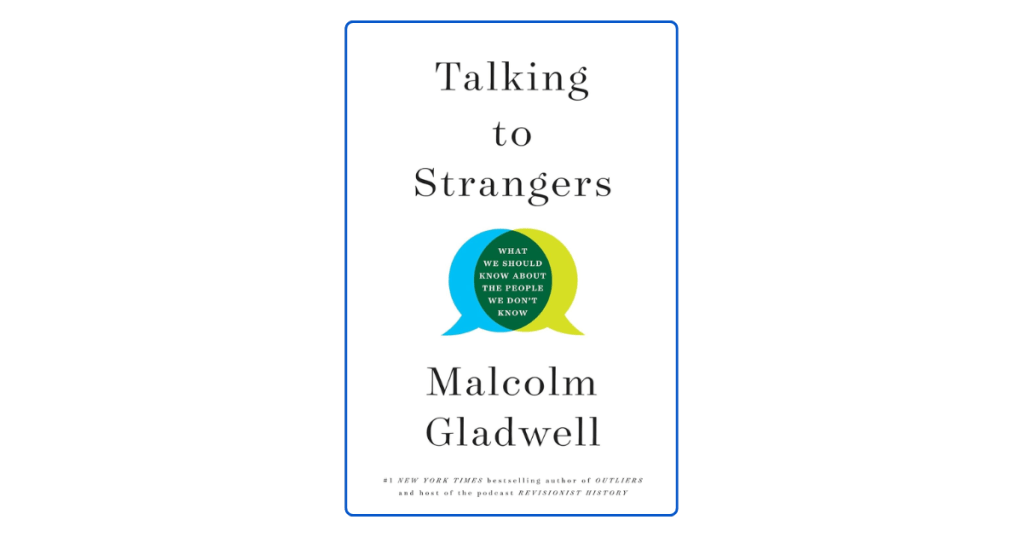
Top 10 Lessons from Talking to Strangers
1. We Default to Truth Even When We Shouldn’t
Humans are wired to assume honesty. This “default to truth” helps society function, but it also blinds us to deception especially when we don’t know the person.
2. Strangers Don’t Behave the Way We Expect
We rely too heavily on context, facial expressions, and stereotypes when judging people. But strangers often act in ways that defy our assumptions.
3. Transparency Is a Dangerous Myth
We believe we can “read” people based on how they look or act. In reality, most people are far more complex, and behaviors don’t always reveal intent.
4. Context Shapes Communication
Words and actions take on different meanings depending on cultural or situational context. Misunderstanding often stems from ignoring this crucial nuance.
5. Misjudgment Has Real Consequences
From wrongful convictions to international conflict, the inability to accurately assess strangers can lead to tragic, large-scale outcomes.
6. Coupling Explains Why Behavior Happens Where It Does
People don’t just do things because of who they are but also because of where and when they are. Behavior is often “coupled” with specific environments.
7. We’re Overconfident in Our Abilities to Judge Others
Most people overestimate their skills in detecting lies or understanding motives. Humility and restraint go further than hasty judgments.
8. Interactions with Strangers Require Slower Thinking
Snap judgments often fail with strangers. Slowing down and asking better questions leads to clearer, safer, and more accurate understanding.
9. Bias and Prejudice Skew Interpretation
Cognitive biases, stereotypes, and cultural misunderstandings cloud our ability to read others accurately often reinforcing systemic inequality.
10. Real Connection Requires Listening, Not Assumption
The key to understanding strangers isn’t more confidence it’s more curiosity. Empathy, context, and active listening are the tools of better communication.
Disclosure: This post includes affiliate links that may earn me a commission at no cost to you if you make a purchase.
can explore the book here:
Blinkist: Best Book Summaries & Audio Book Guides
![nick [Alliedify] Avatar](https://0.gravatar.com/avatar/6955a6009ff9c6a76e2eb88c263c9426c8c386b0a7637b4d0cc051871ee8c9f3?s=40&d=identicon&r=G)
 Alliedify
Leave a comment