What’s the Real Cost of a Full Cart?
Behind the fluorescent lights, discount stickers, and pristine produce of your local supermarket lies a hidden supply chain that is anything but clean. In The Secret Life of Groceries, investigative journalist Benjamin Lorr lifts the veil on the food industry’s “dark miracle” how the American grocery store delivers abundance, affordability, and variety while concealing labor abuse, environmental degradation, and moral contradictions.
Lorr goes far beyond price tags and product placement. He dives deep into the personal stories of truck drivers, Thai shrimp workers, supermarket executives, and food entrepreneurs to expose the human and economic machinery that powers America’s food system. The result is an unsettling yet essential portrait of how our food really gets to us and who pays the price along the way.
This book isn’t just about groceries it’s about capitalism, consumer culture, and how convenience has been engineered at tremendous cost. For conscious consumers, entrepreneurs, and food industry insiders, The Secret Life of Groceries is a powerful reminder that every shelf has a story.
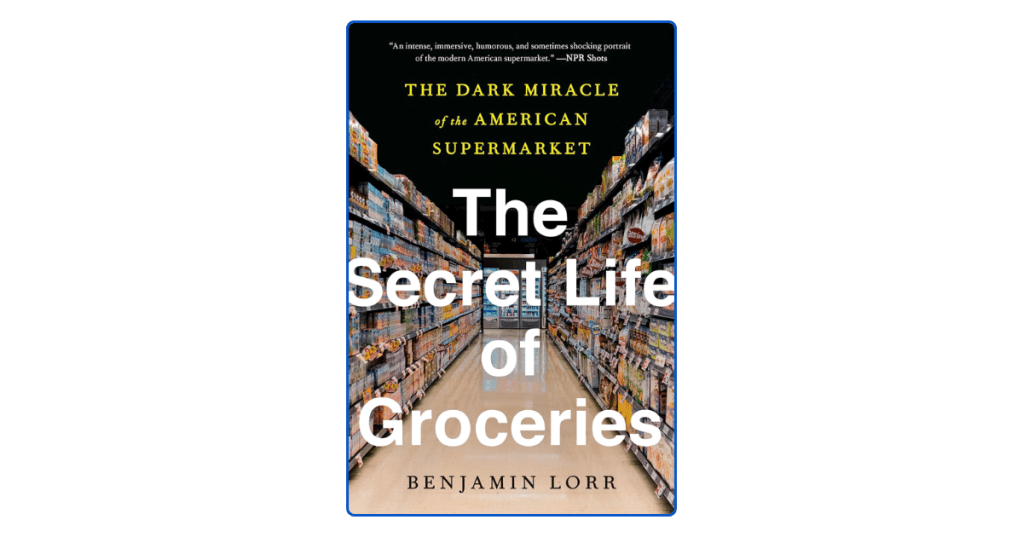
Top 10 Lessons from The Secret Life of Groceries by Benjamin Lorr
1. Convenience Isn’t Cheap It’s Outsourced
What feels “cheap” at checkout often comes at an invisible cost paid in low wages, environmental damage, and unethical labor practices buried deep in the supply chain.
2. The Grocery Store Is a Carefully Engineered Illusion
From product placement to lighting and layout, everything in a supermarket is designed to guide behavior and maximize profit while hiding complexity behind simplicity.
3. Supply Chains Are Built on Human Exploitation
Lorr uncovers the disturbing truth about forced labor and abuse in global food networks, particularly in the seafood industry, revealing how the system protects margins, not people.
4. Trucking Is the Backbone And It’s Breaking
Long-haul truckers keep grocery shelves stocked, but at a high cost to their mental and physical health. These essential workers are overworked, underpaid, and often trapped in debt cycles.
5. Entrepreneurship in Food Is Ruthlessly Competitive
Even idealistic food founders face crushing distribution demands and shelf placement politics. The road from concept to supermarket is paved with tradeoffs.
6. Regulation Often Lags Behind Reality
Despite public trust in food safety and standards, many regulatory systems fail to monitor or enforce ethical practices throughout the supply chain.
7. We Are Conditioned to Expect Too Much for Too Little
Consumer culture trains us to demand abundance at unsustainable prices creating systemic pressure on every link in the chain to cut corners and shift the burden elsewhere.
8. Marketing Obscures More Than It Reveals
Labels like “natural,” “sustainable,” or “ethically sourced” often lack substance or oversight. Greenwashing in the grocery industry is rampant and profitable.
9. The Grocery Store Reflects American Values
Supermarkets are a mirror of American capitalism: efficient, abundant, and individualistic but also extractive, unequal, and built on illusion.
10. True Change Requires Informed Consumption
Change starts with awareness. Understanding the real story behind your groceries allows you to make better decisions not just as a shopper, but as a citizen.
Final Thought: Every Aisle Tells a Story
The Secret Life of Groceries doesn’t just expose the system it challenges us to rethink it. Lorr’s deep reporting reminds us that our most ordinary routines like buying cereal or shrimp are connected to global systems of power, ethics, and exploitation.
If you care about food, fairness, or the future, this book will change the way you see your next trip to the supermarket.
Disclosure: This post includes affiliate links that may earn me a commission at no cost to you if you make a purchase.
can explore the book here:
Blinkist: Best Book Summaries & Audio Book Guides
![nick [Alliedify] Avatar](https://0.gravatar.com/avatar/6955a6009ff9c6a76e2eb88c263c9426c8c386b0a7637b4d0cc051871ee8c9f3?s=40&d=identicon&r=G)
 Alliedify
Leave a comment